Textile Memories, Portable Homeland
Artist Statement
Artist Statement
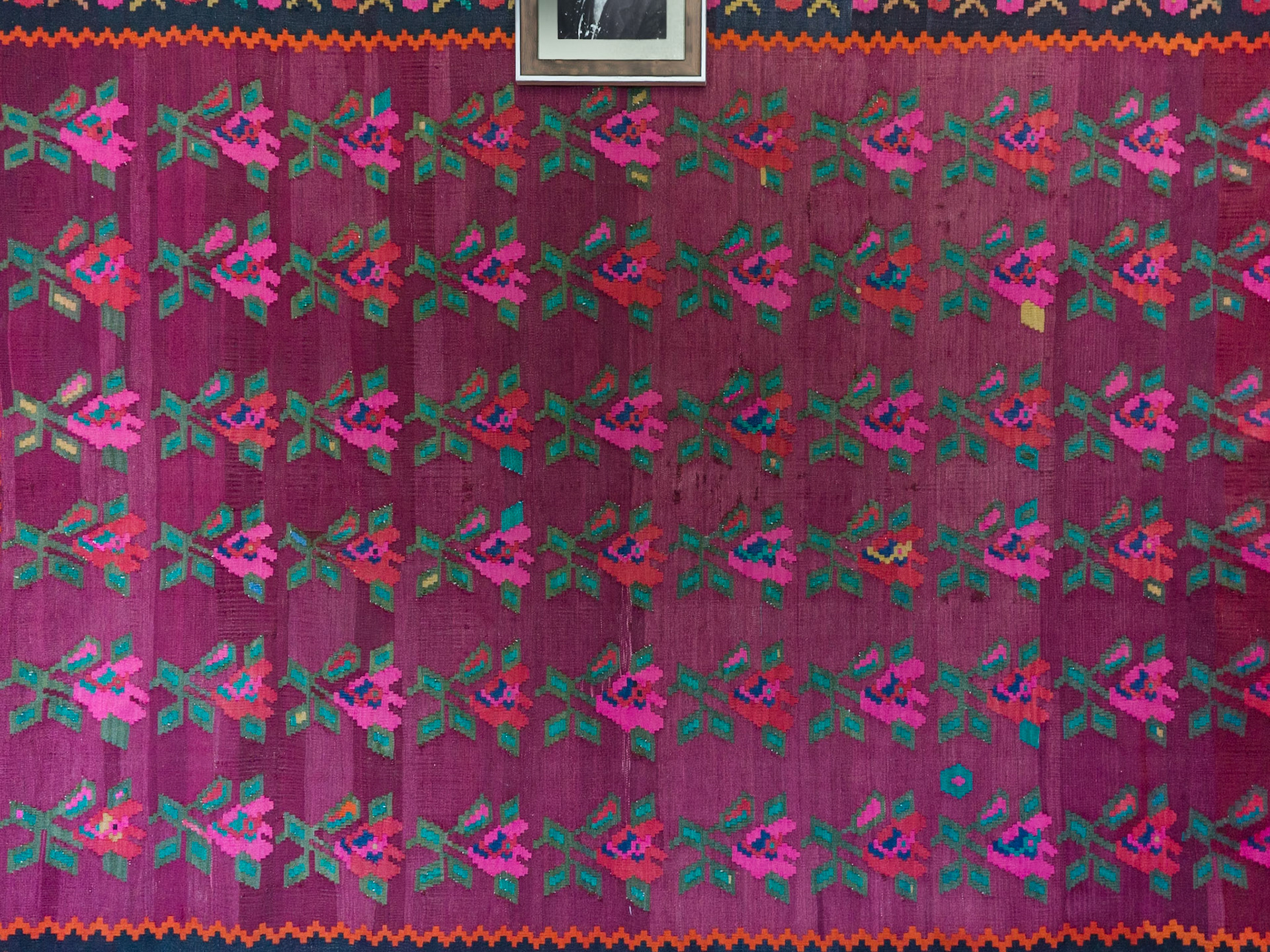
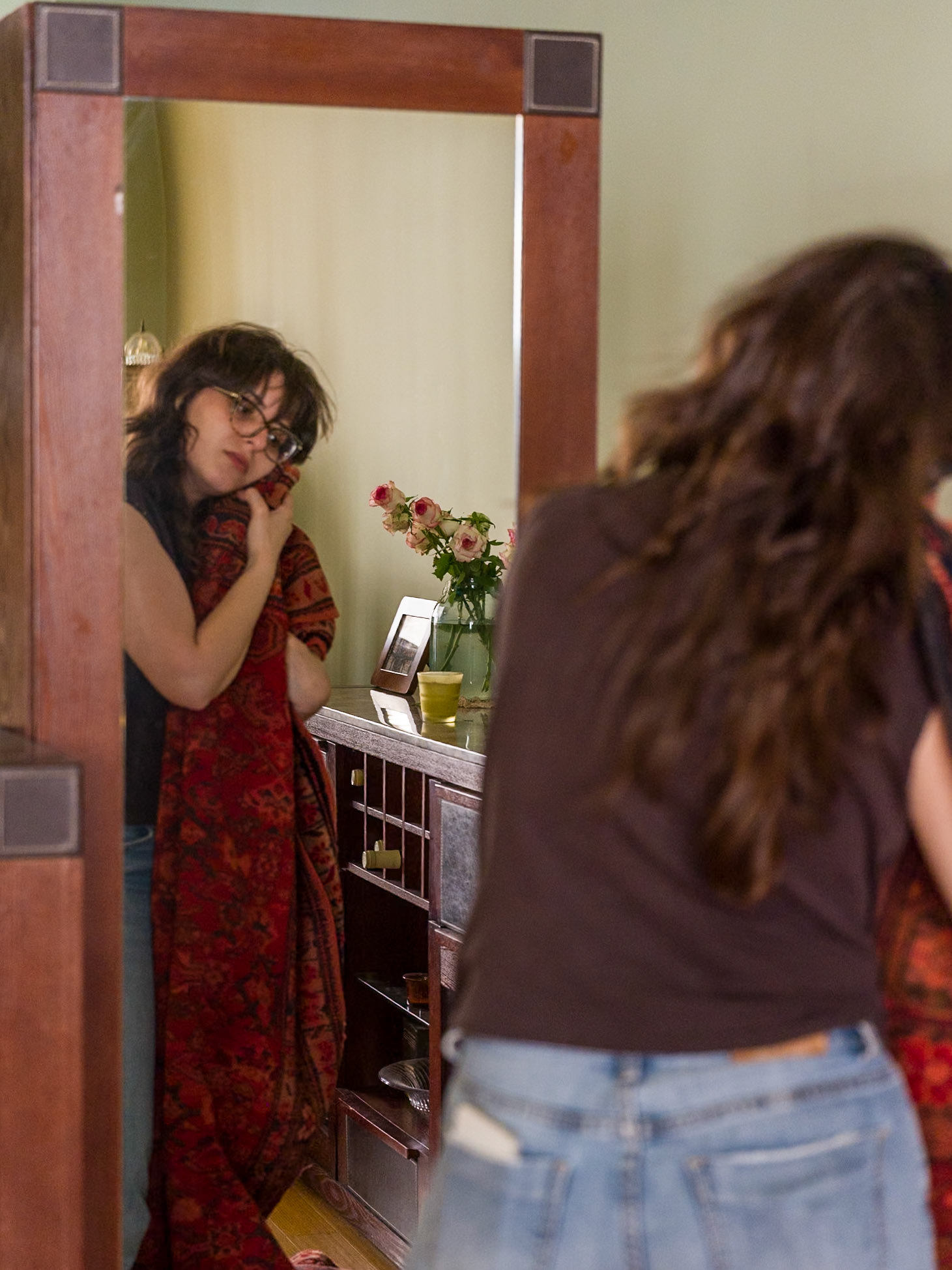
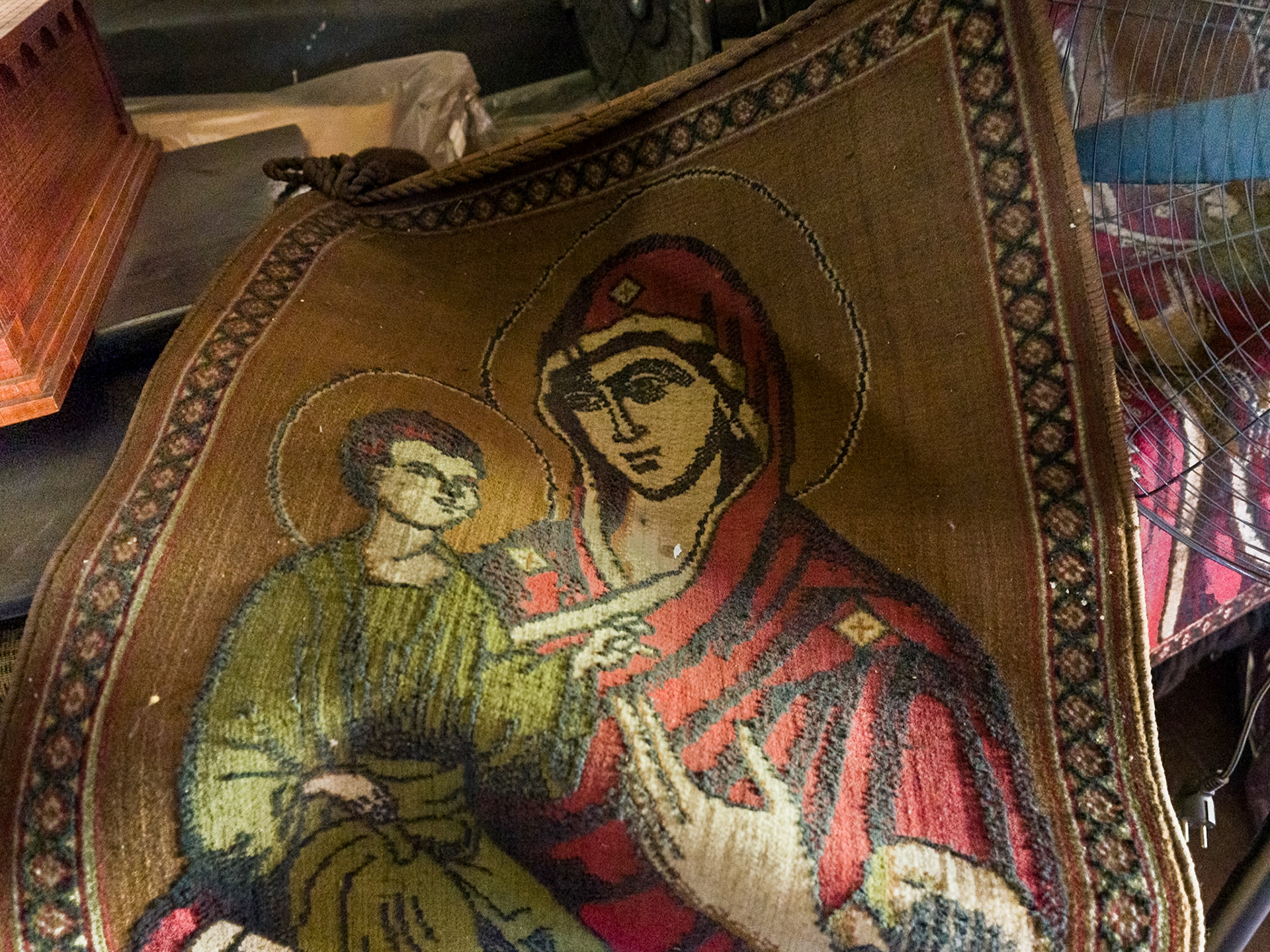
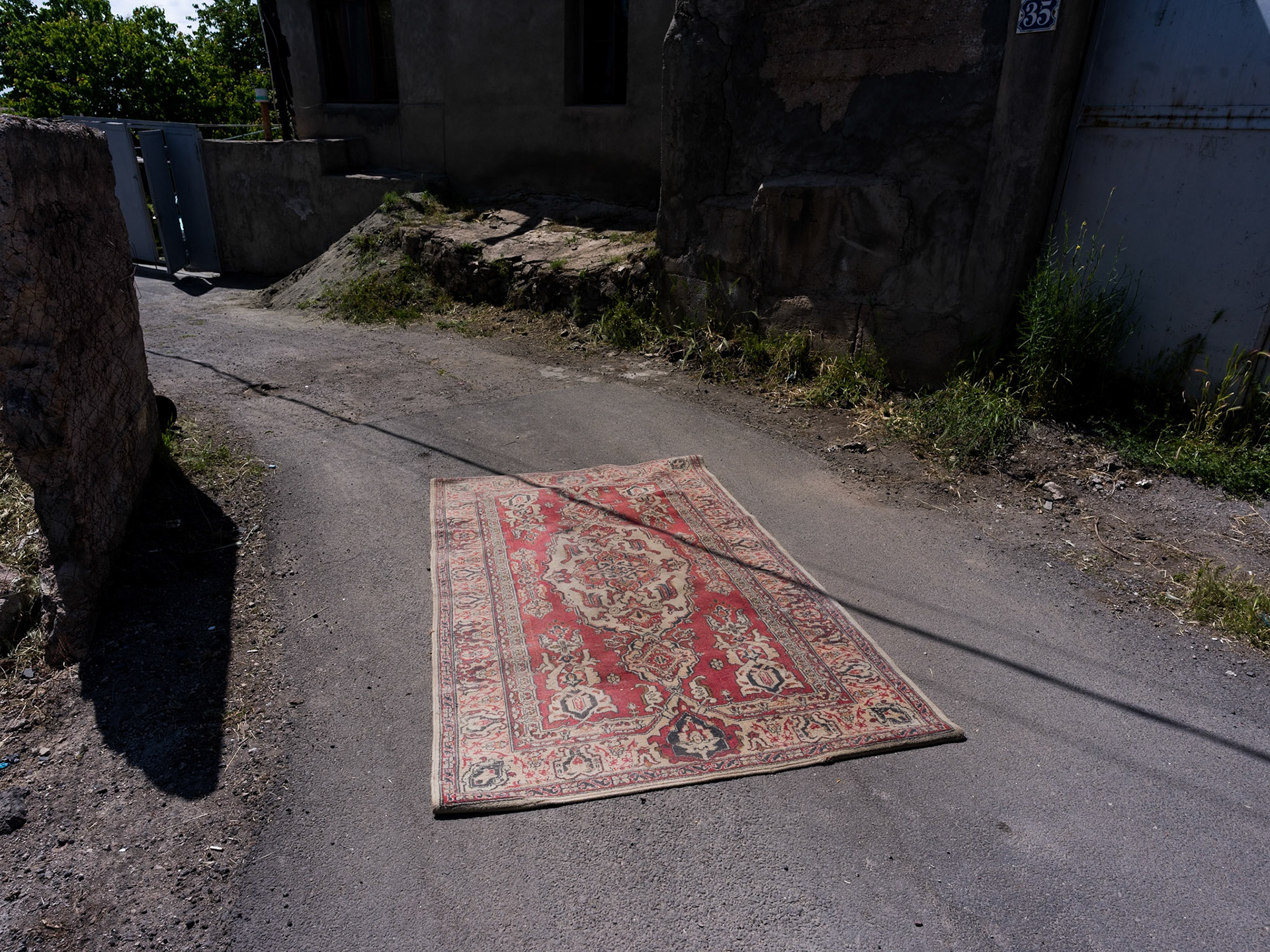
Armenian carpets are both object and witness. For Armenians, carpets are more than decoration or craft; they are maps of memory, folded and carried across borders and generations. Each knot records a gesture, a hand, a climate, a vanished room. Woven into their patterns are stories of villages that no longer exist, of homes left behind, of celebrations, grief, and everyday life.
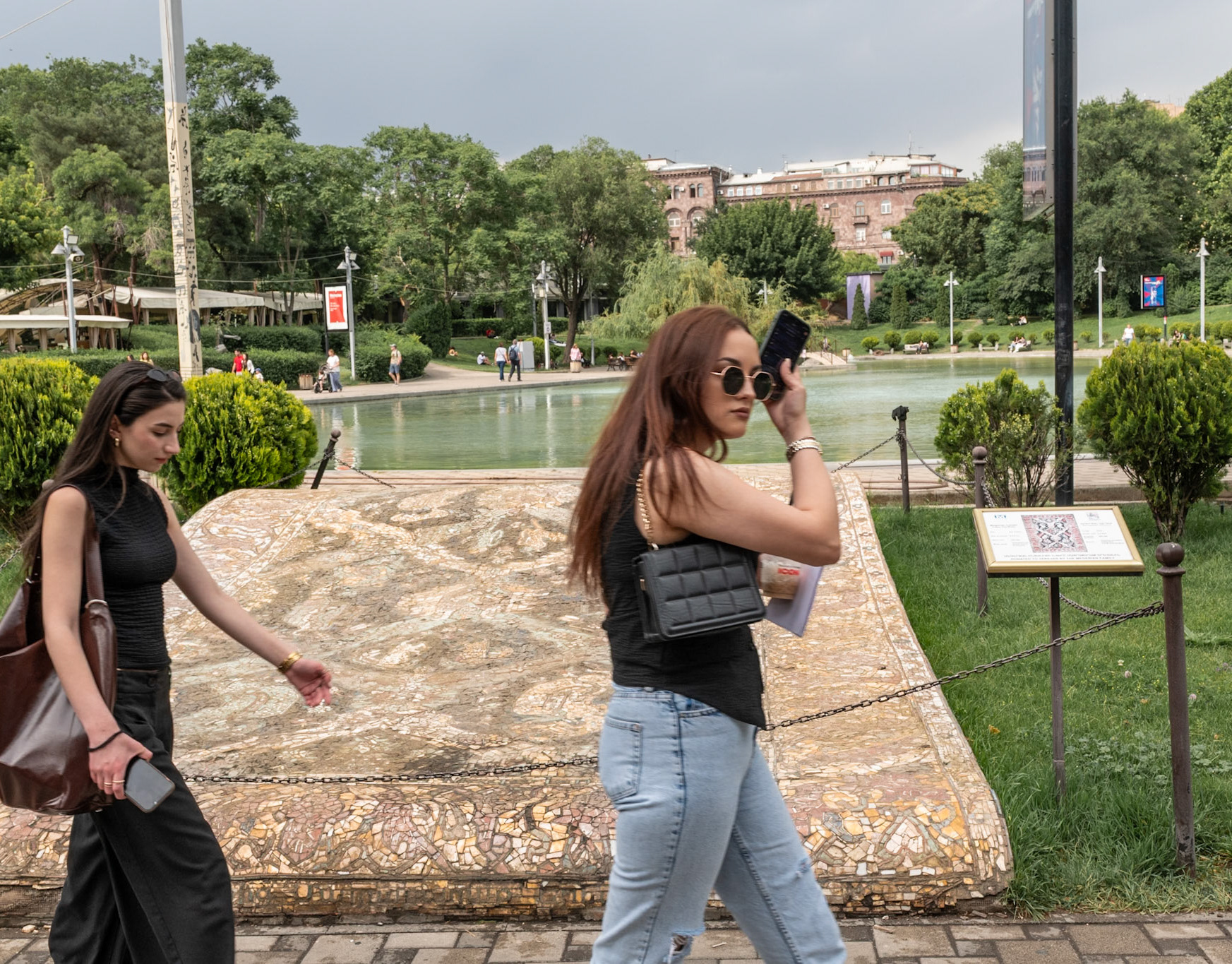
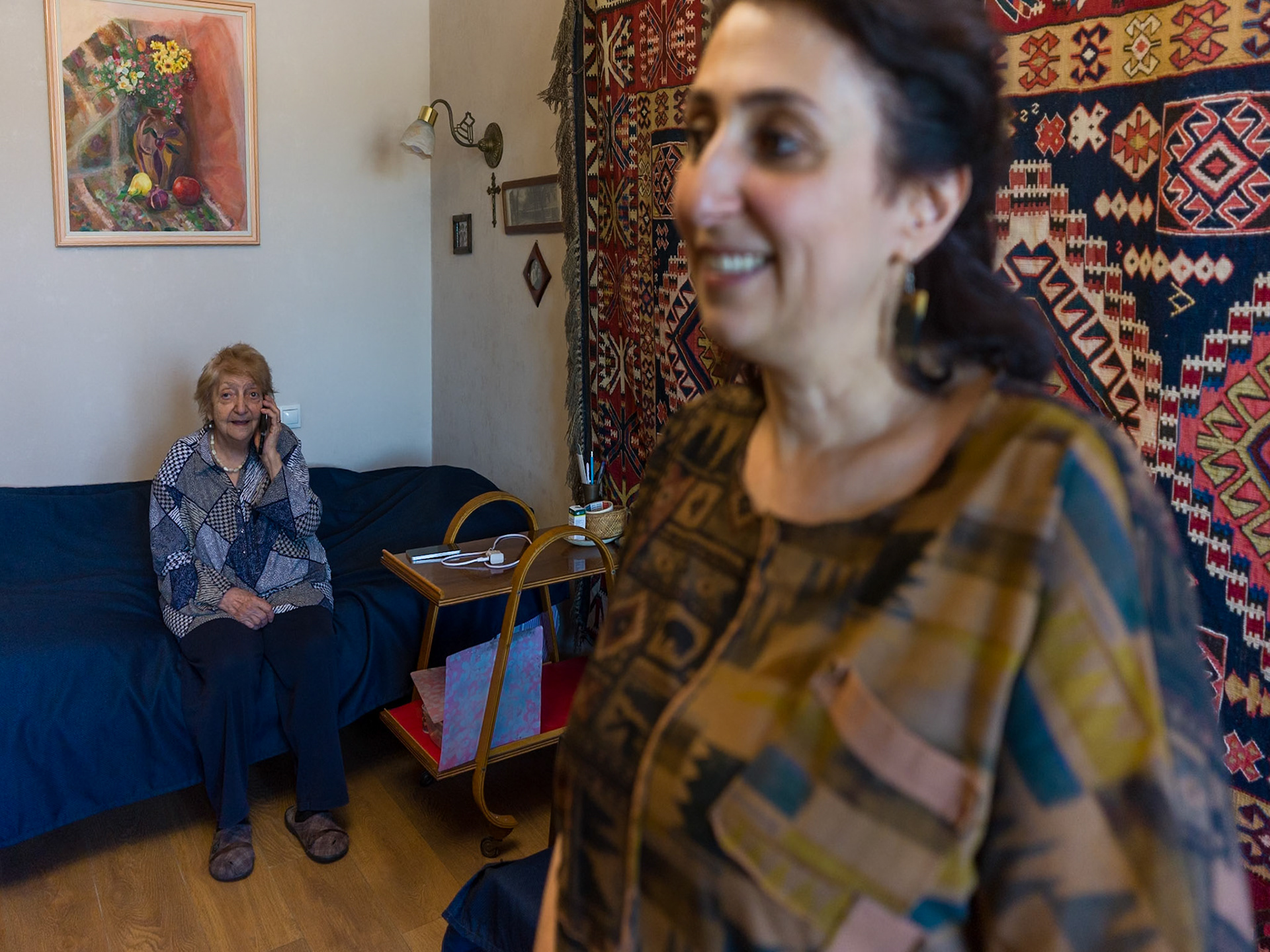
Armenian carpets are a “portable homeland” – a small, movable territory of color and pattern that can be rolled up, carried, unrolled, and inhabited again in a foreign room. When land is lost or inaccessible, texture becomes a geography. The border of a rug becomes a threshold; the central medallion, a vanished courtyard; repeated motifs, the echo of a language spoken less and less loudly. In exile, you spread a carpet on the floor or on a wall and, for a moment, you are inside another country.
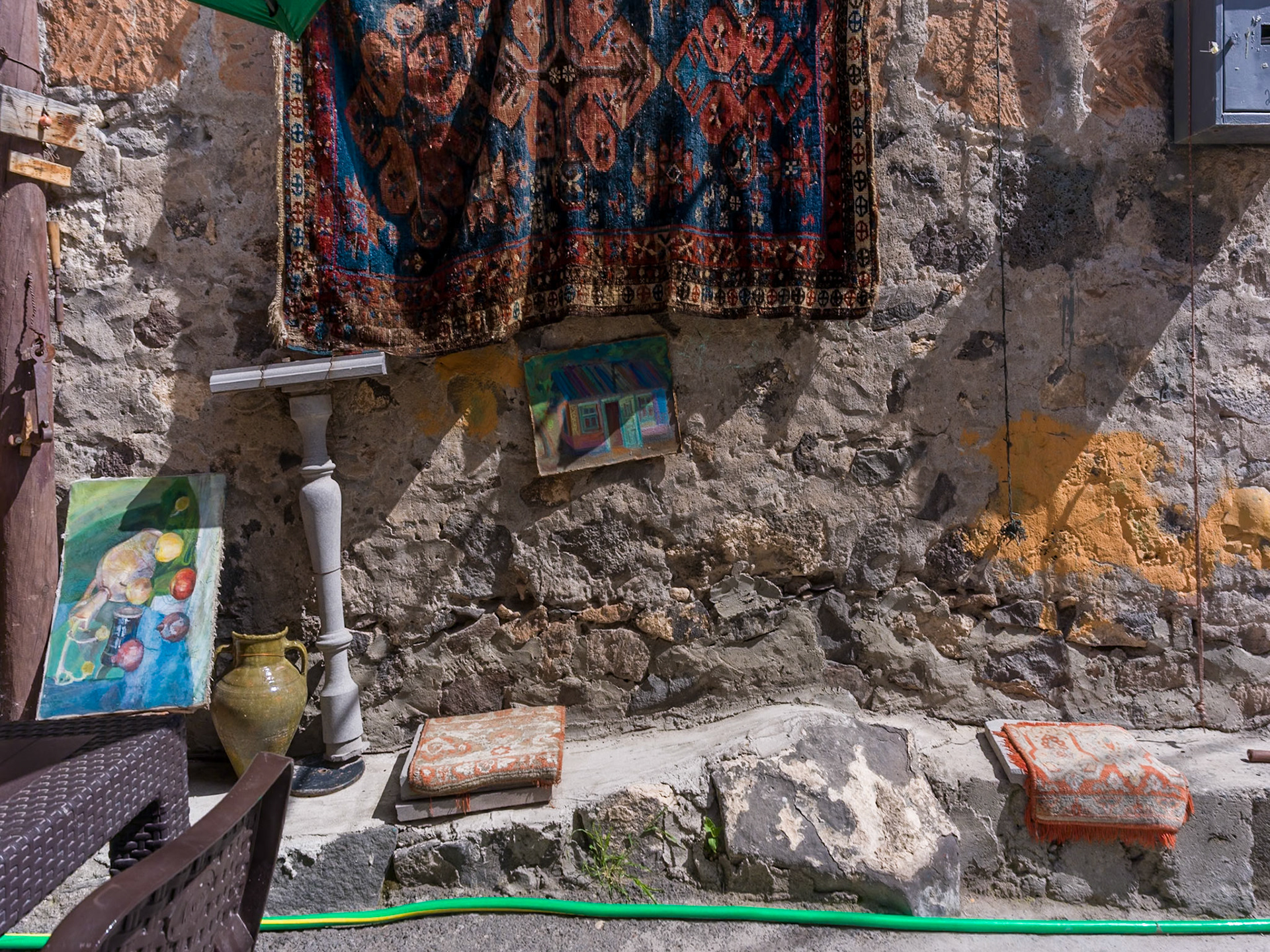
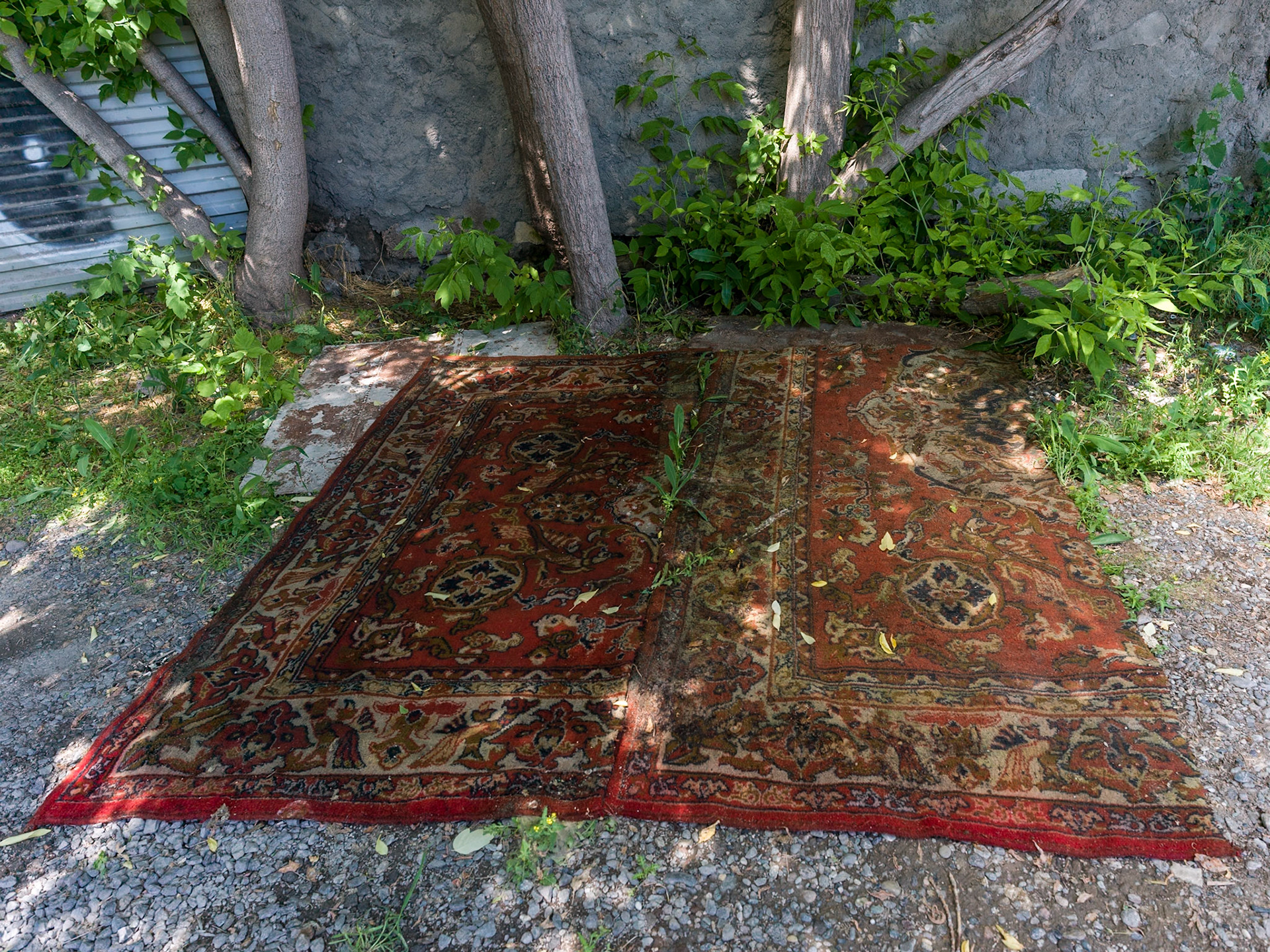
Carpets are not nostalgic props; they are active archives. They carry the imprint of migration, survival, and adaptation. By placing them in new contexts – on walls, in public spaces, in dialogue with digital media or everyday objects – is about askimg how cultural memory persists, transforms, and risks being commodified. Who gets to own these patterns? What happens when a sacred or intimate object becomes a global aesthetic?
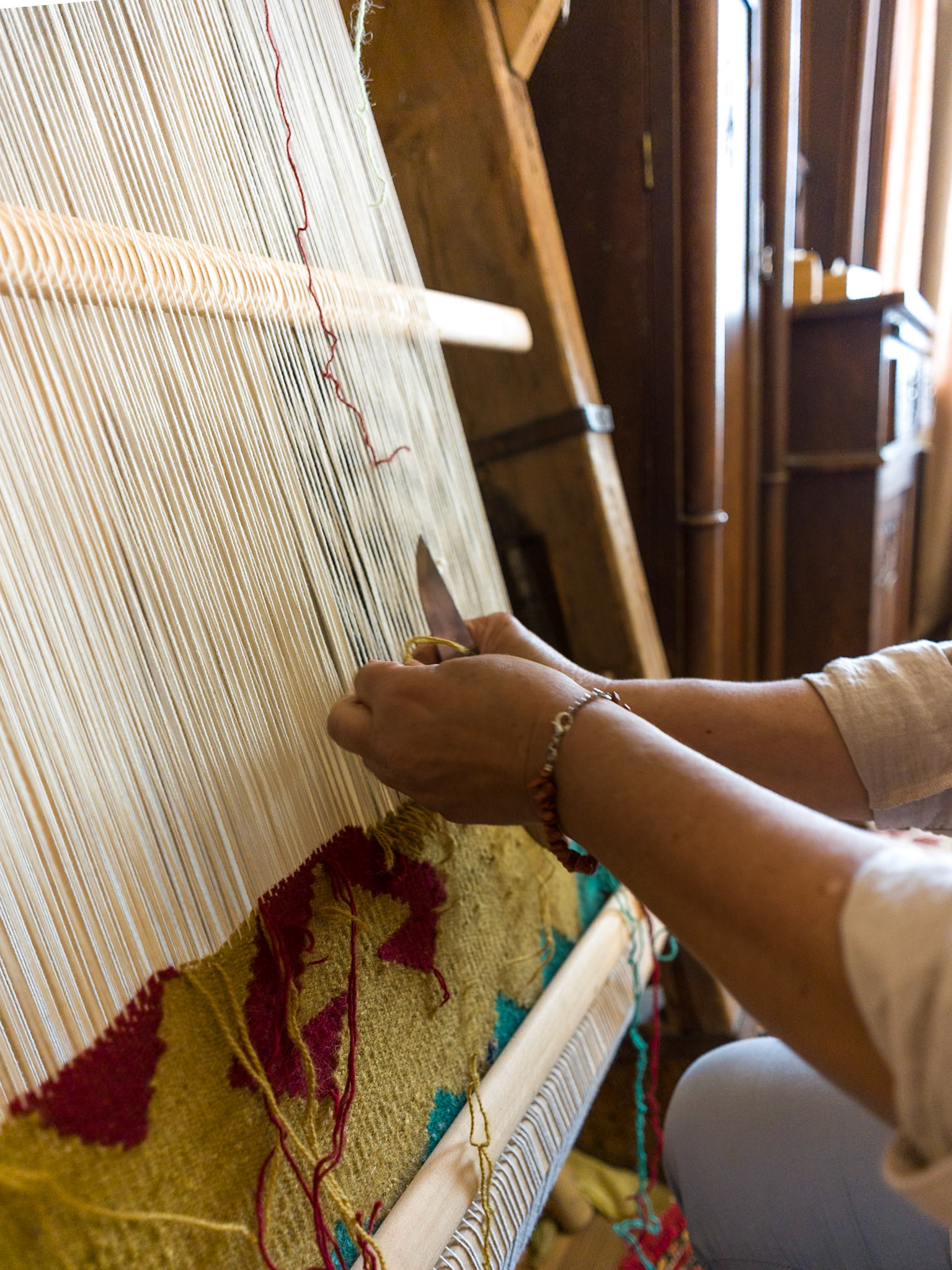
My aim is to make visible the labor of hands, women’s hands, that tied each knot and passed down skills quietly, across kitchen tables and in displaced homes. I am interested in how that labor functions as resistance: the refusal to let a pattern die, the insistence that a lost place can be traced in thread.
Through Armenian carpets, I explore how a people carry home with them when the original ground is threatened or gone. My frames are conversations with and about carpets – attempts to listen to what they remember, and to extend those memories into the present tense.
Descendant of Yuzbashyan family, that left Shushi a year before The Shsushi massacre (Mass killing of The Armenian population of Shushi in 1920)
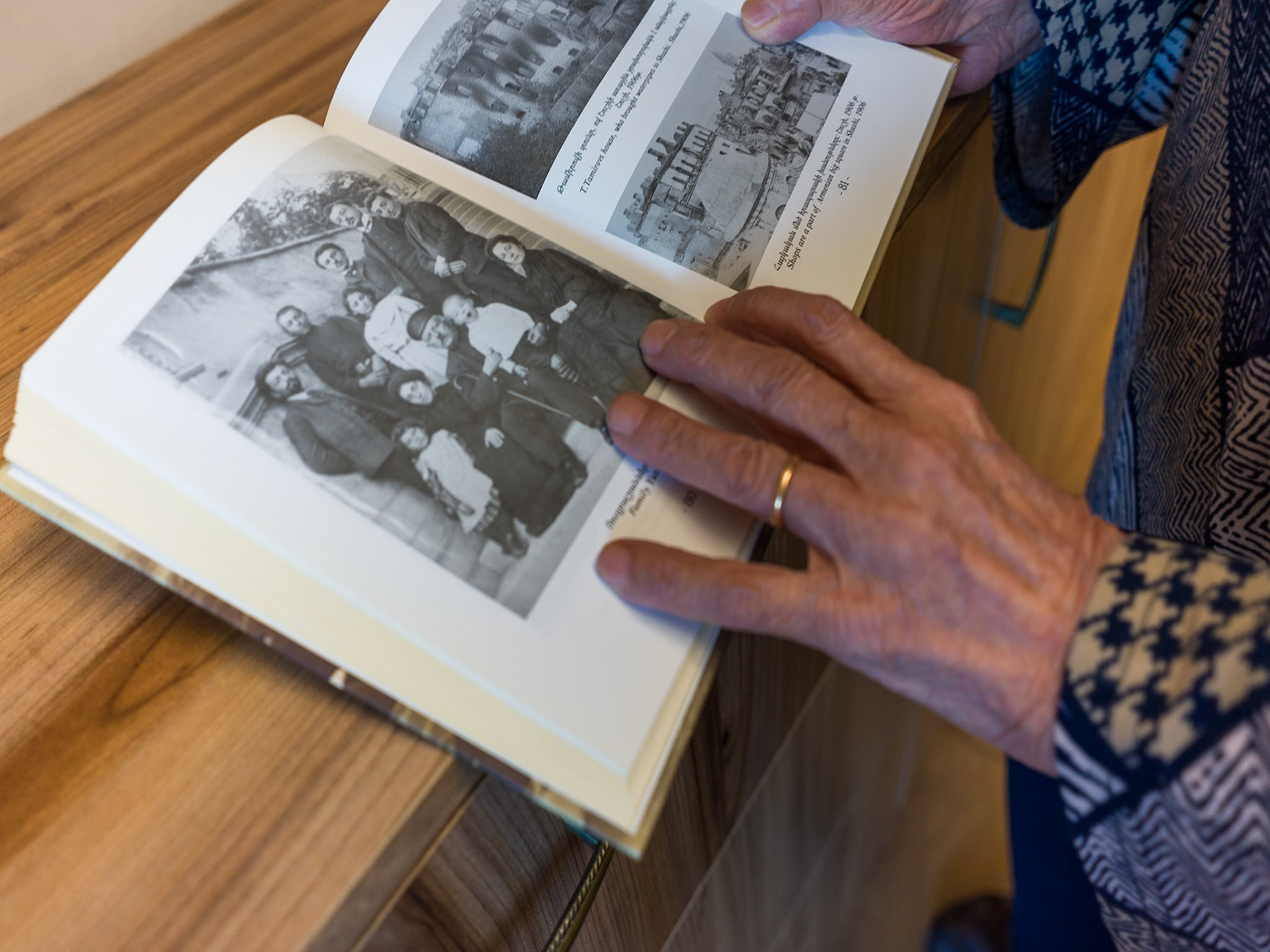
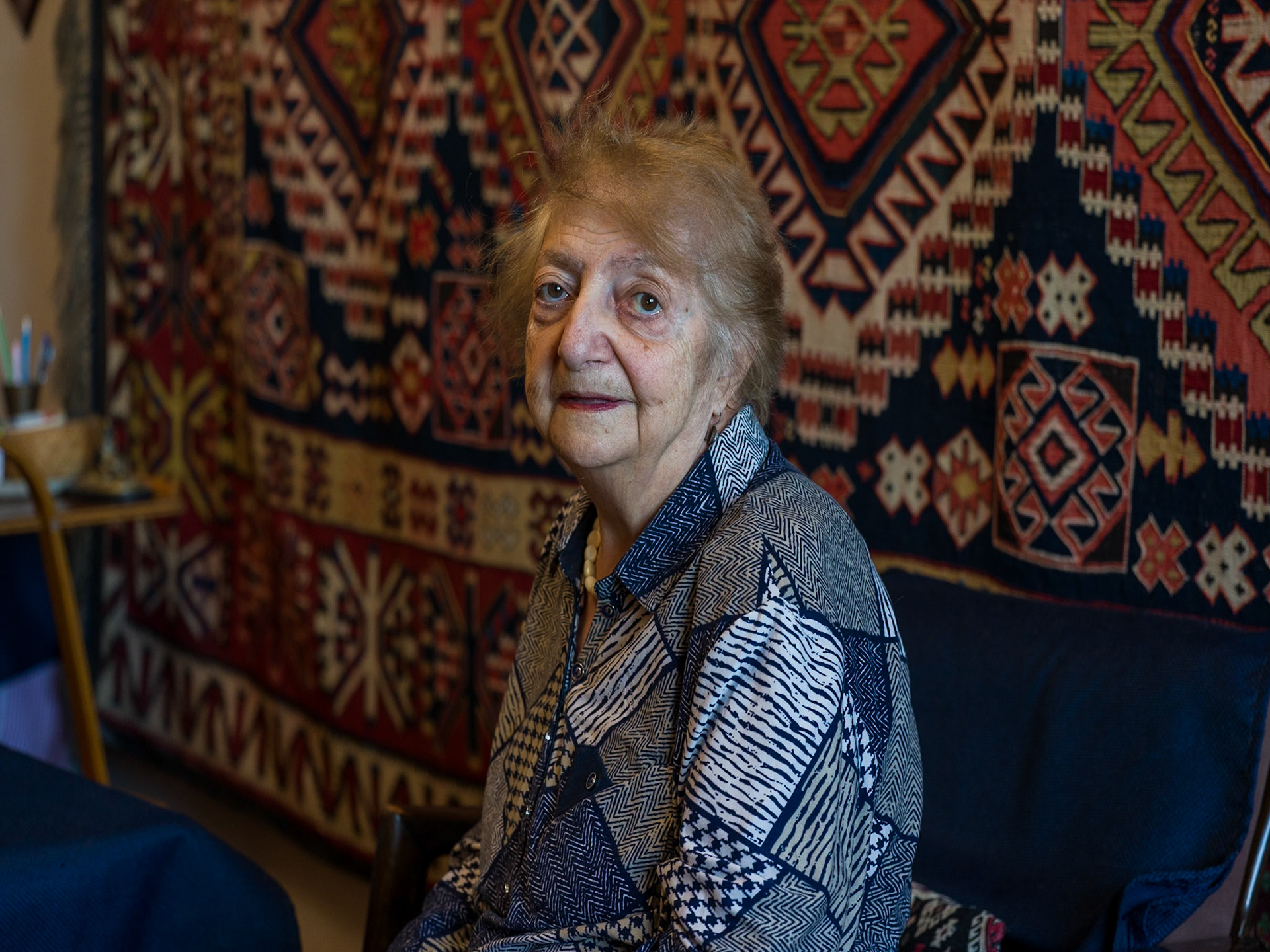
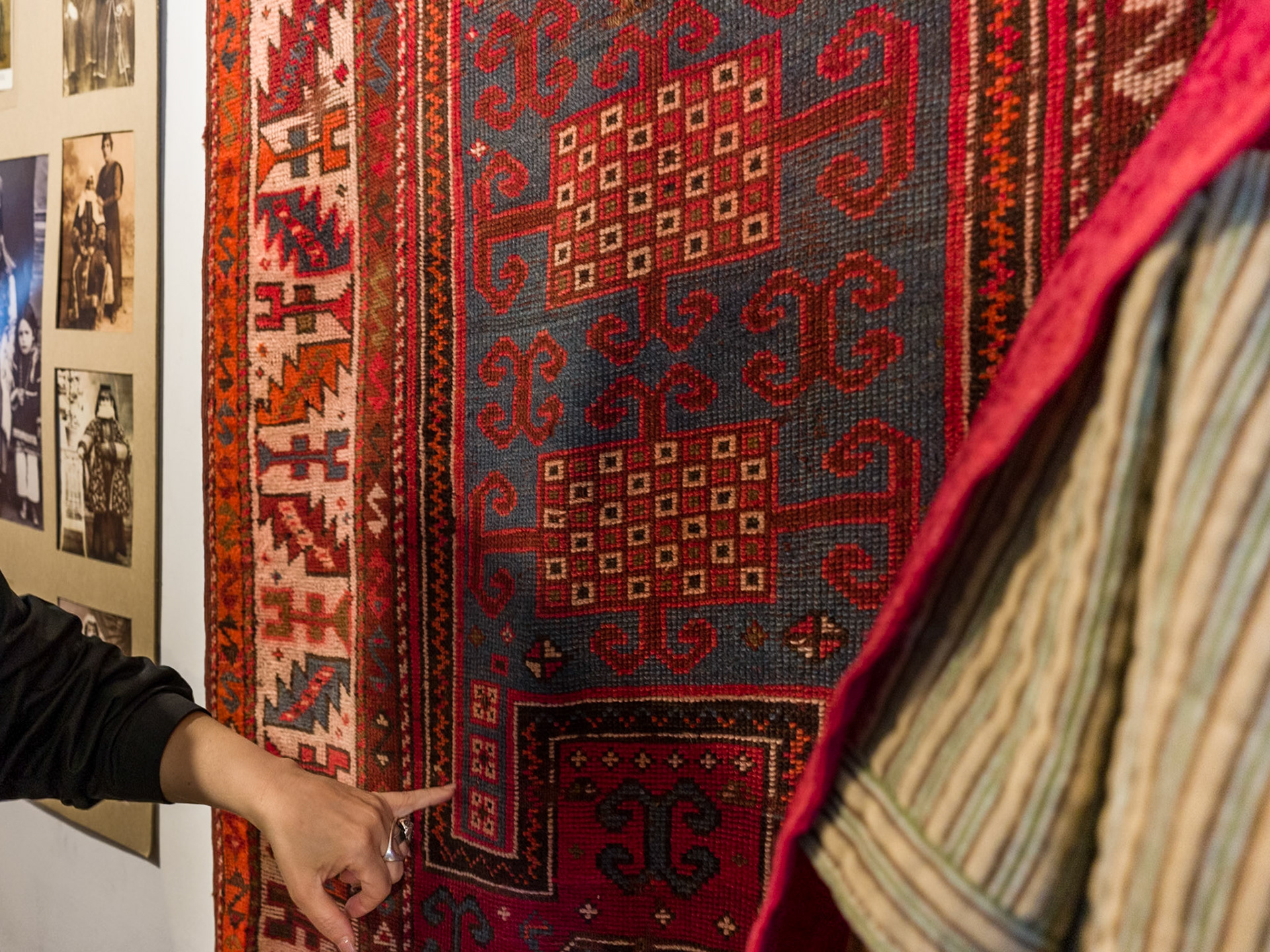
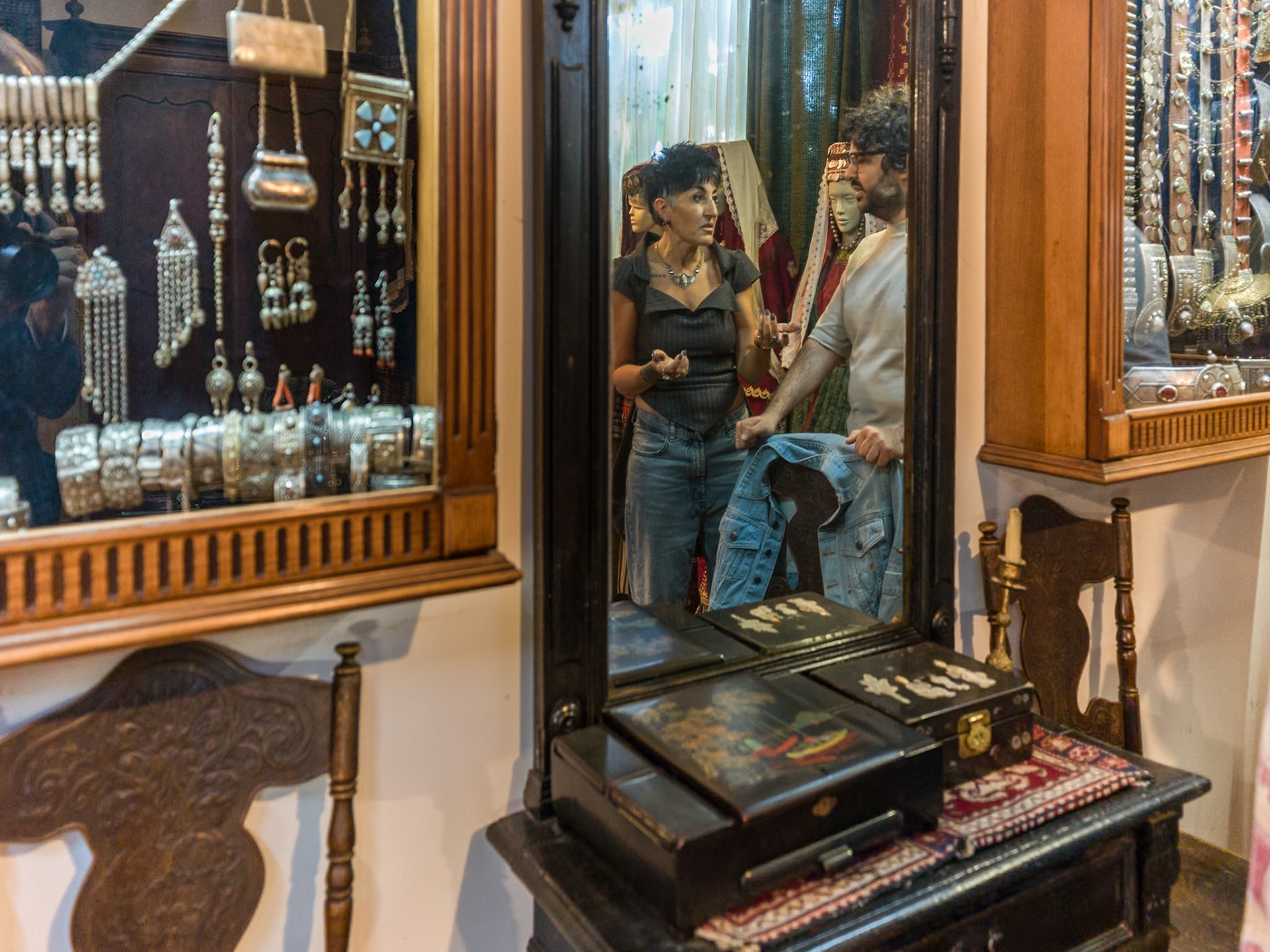
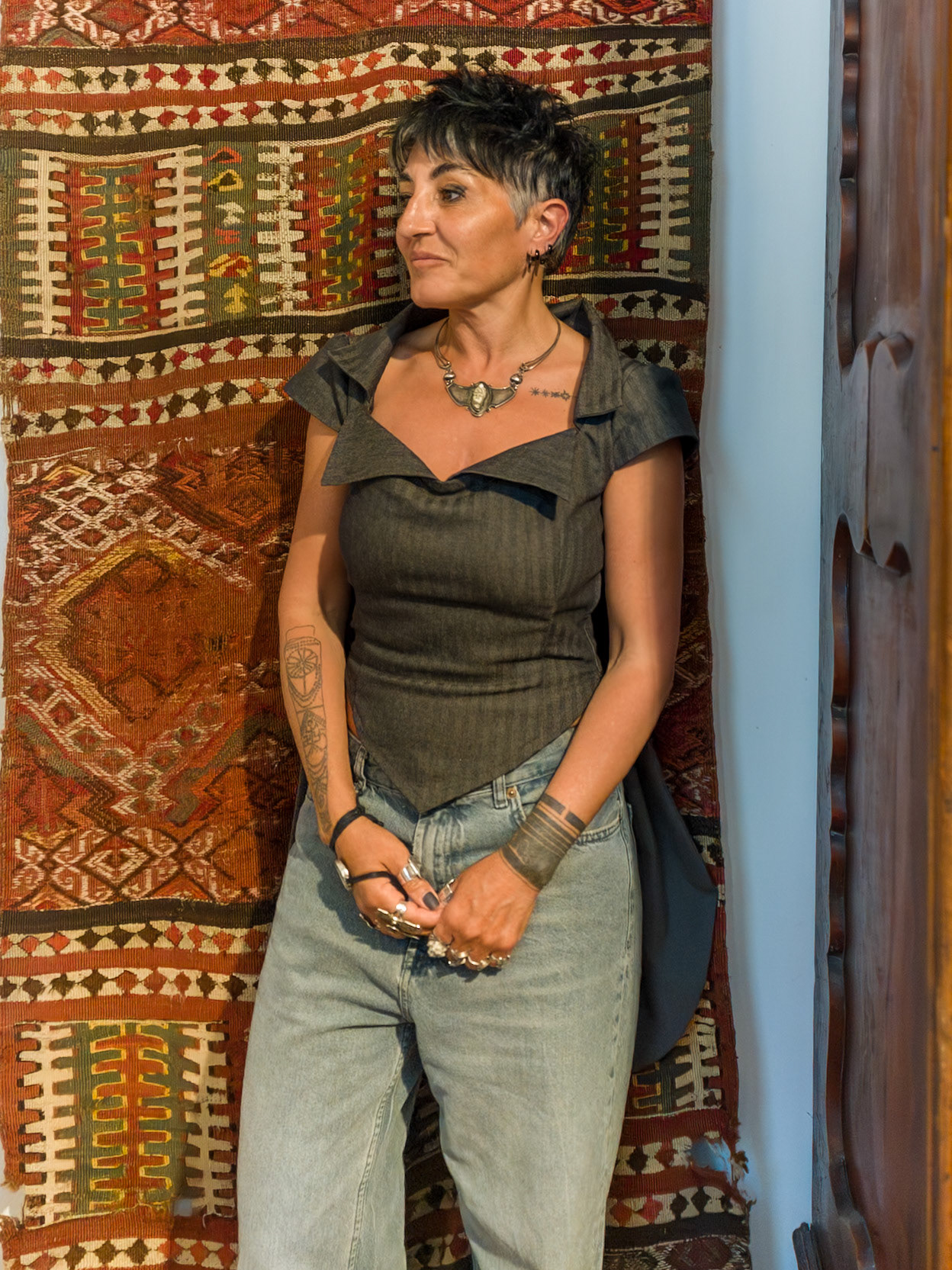
Astghik Samvelyan, Lusik Aguletsi's daughter, founder of Lusik Aguletsi museum, painter, designer
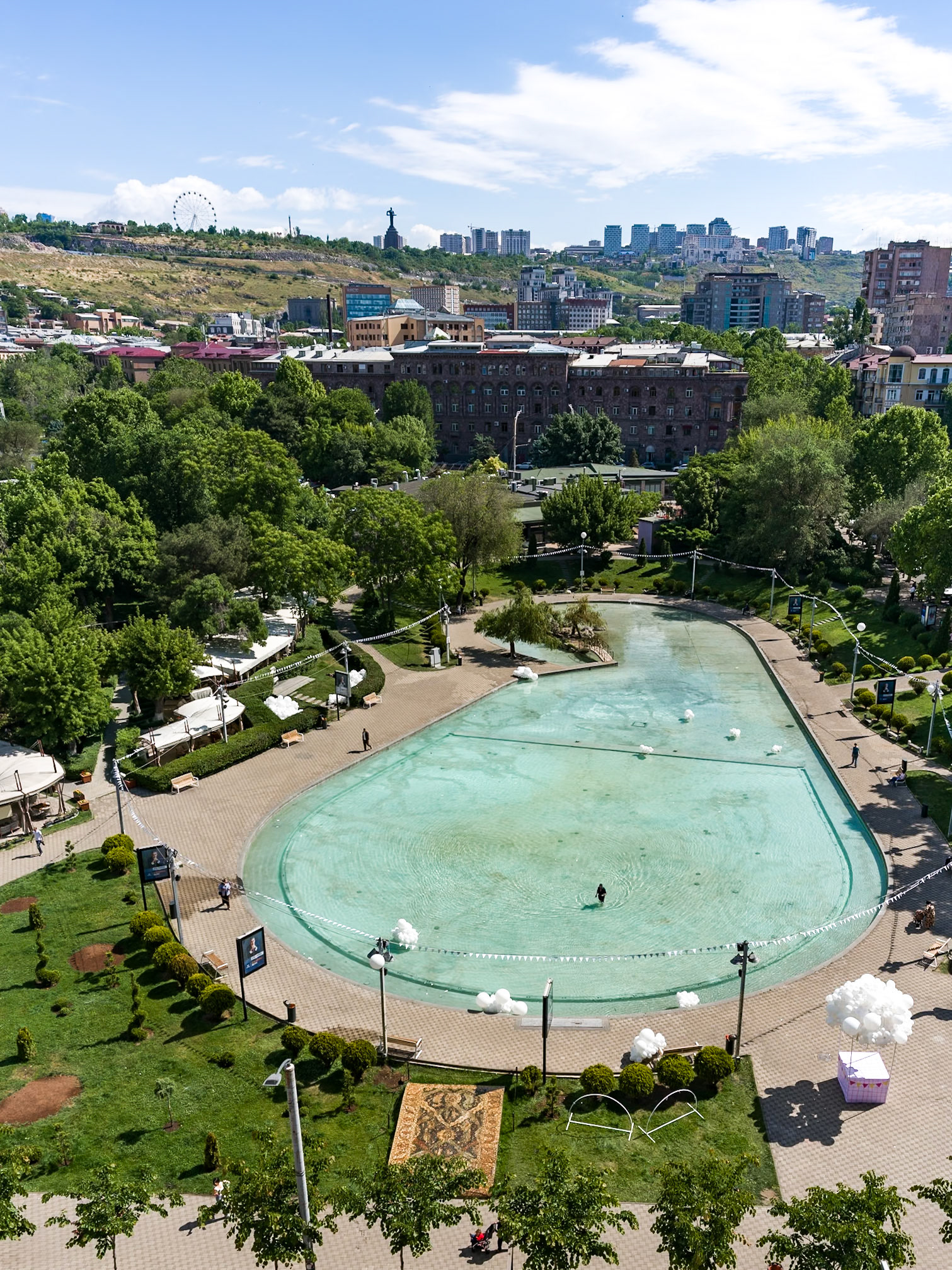
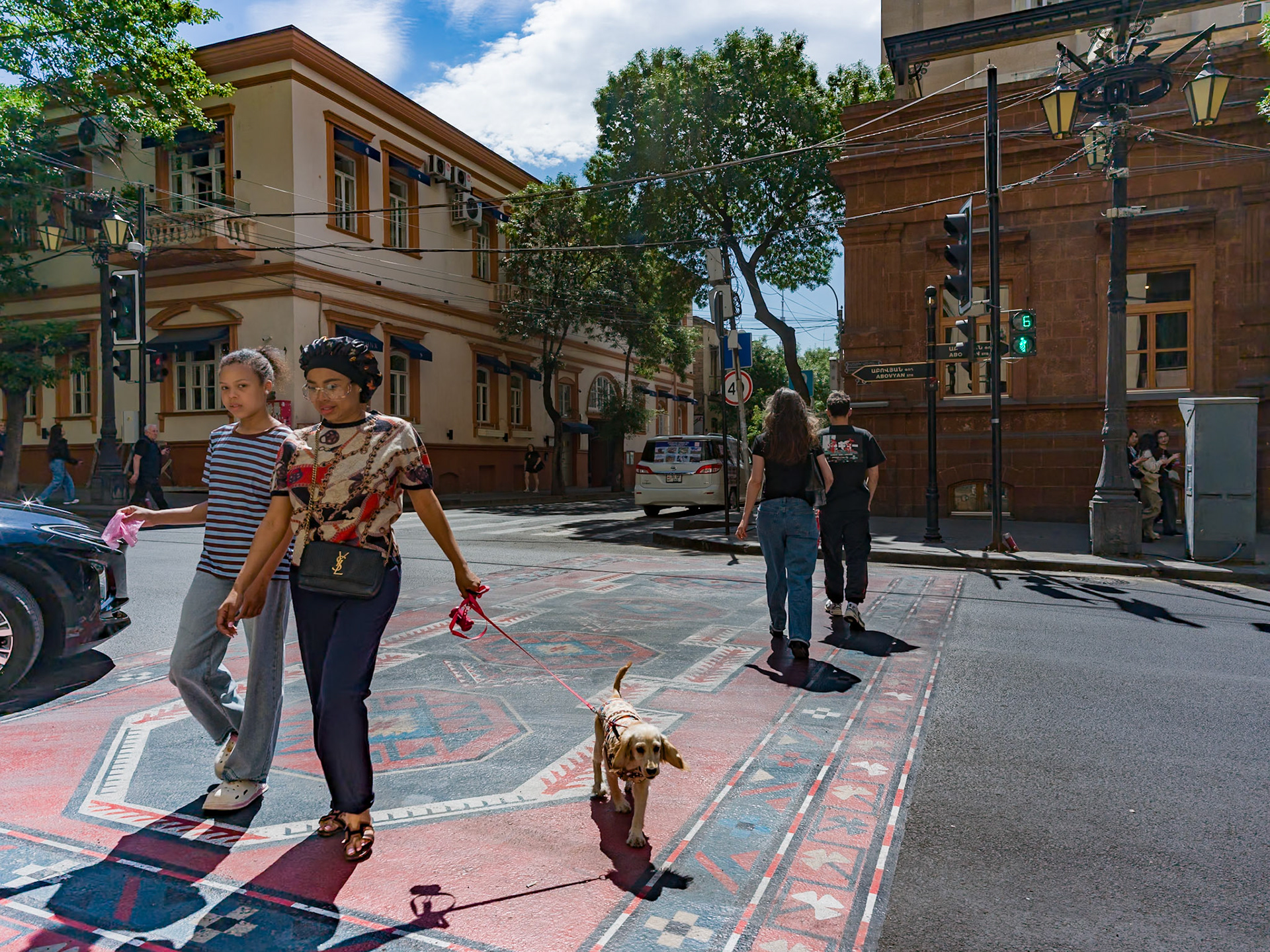

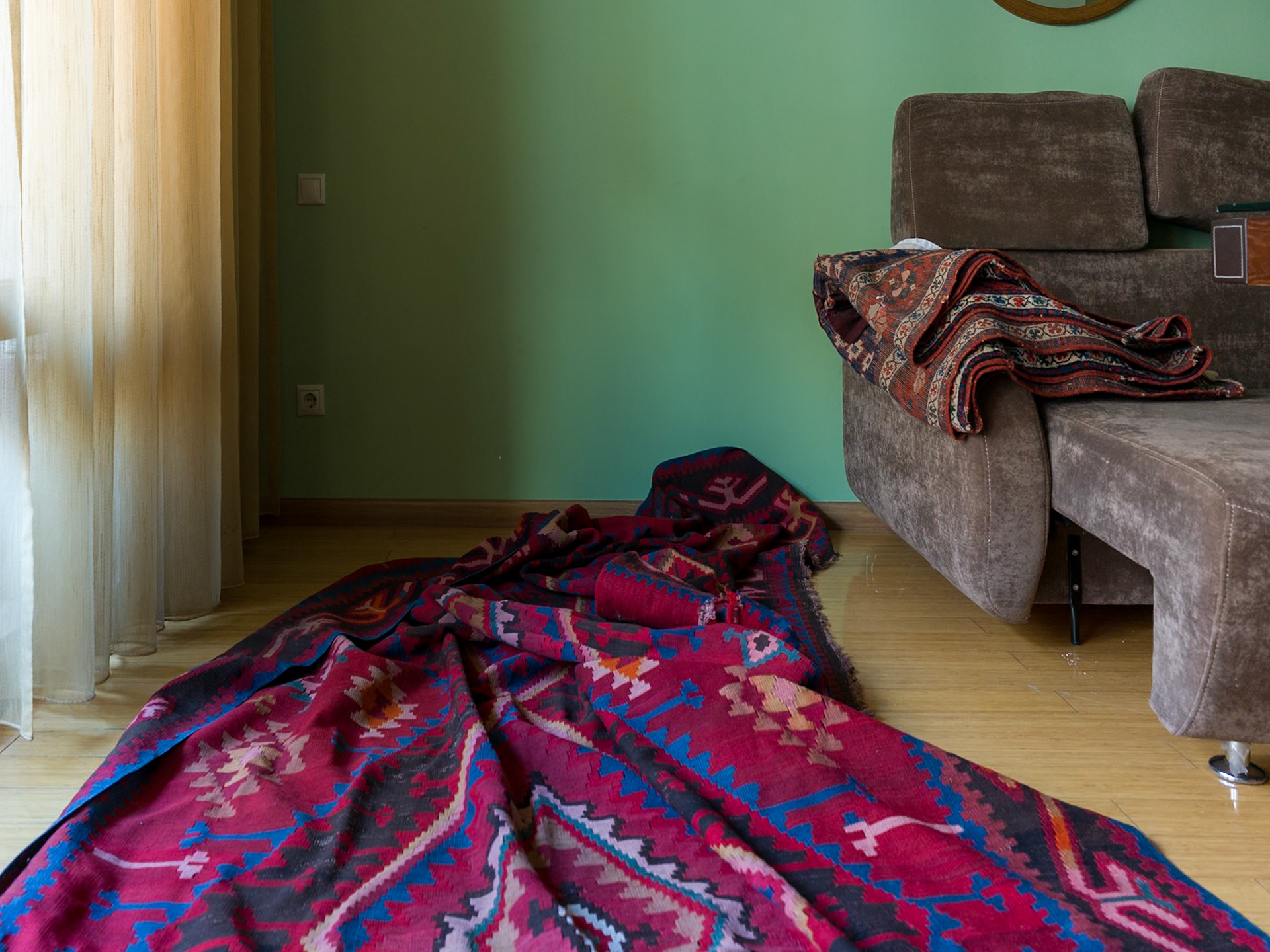
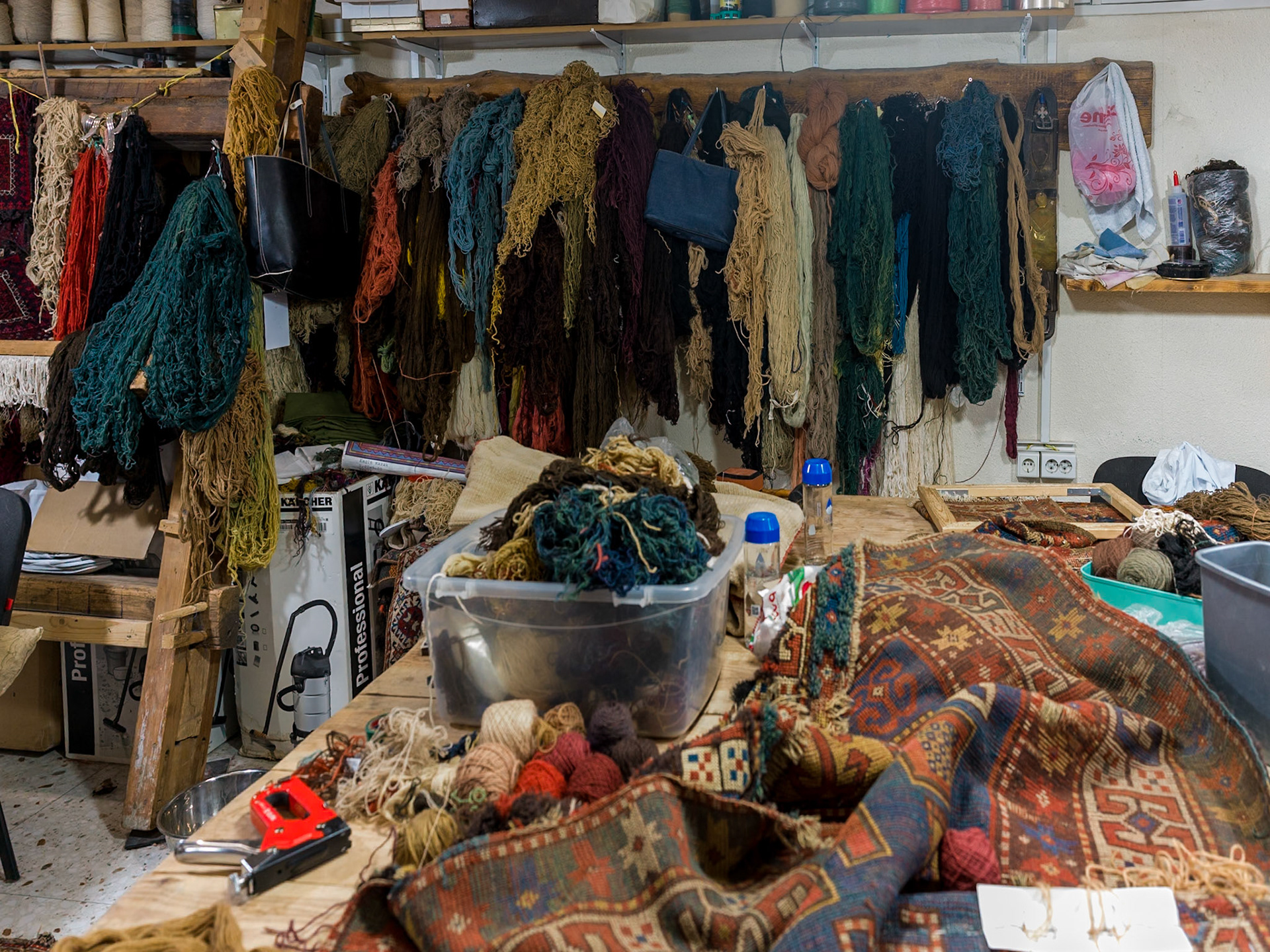
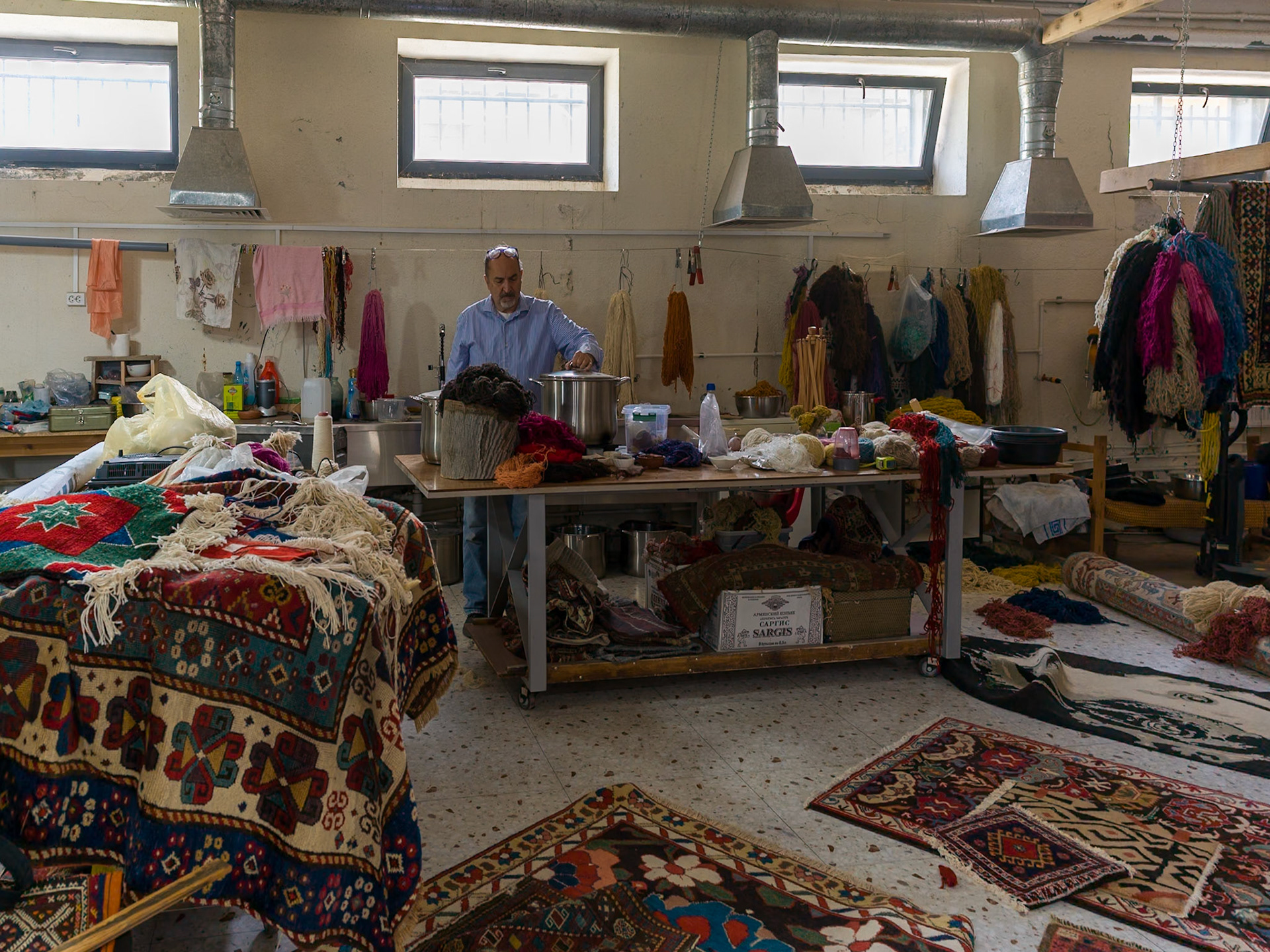
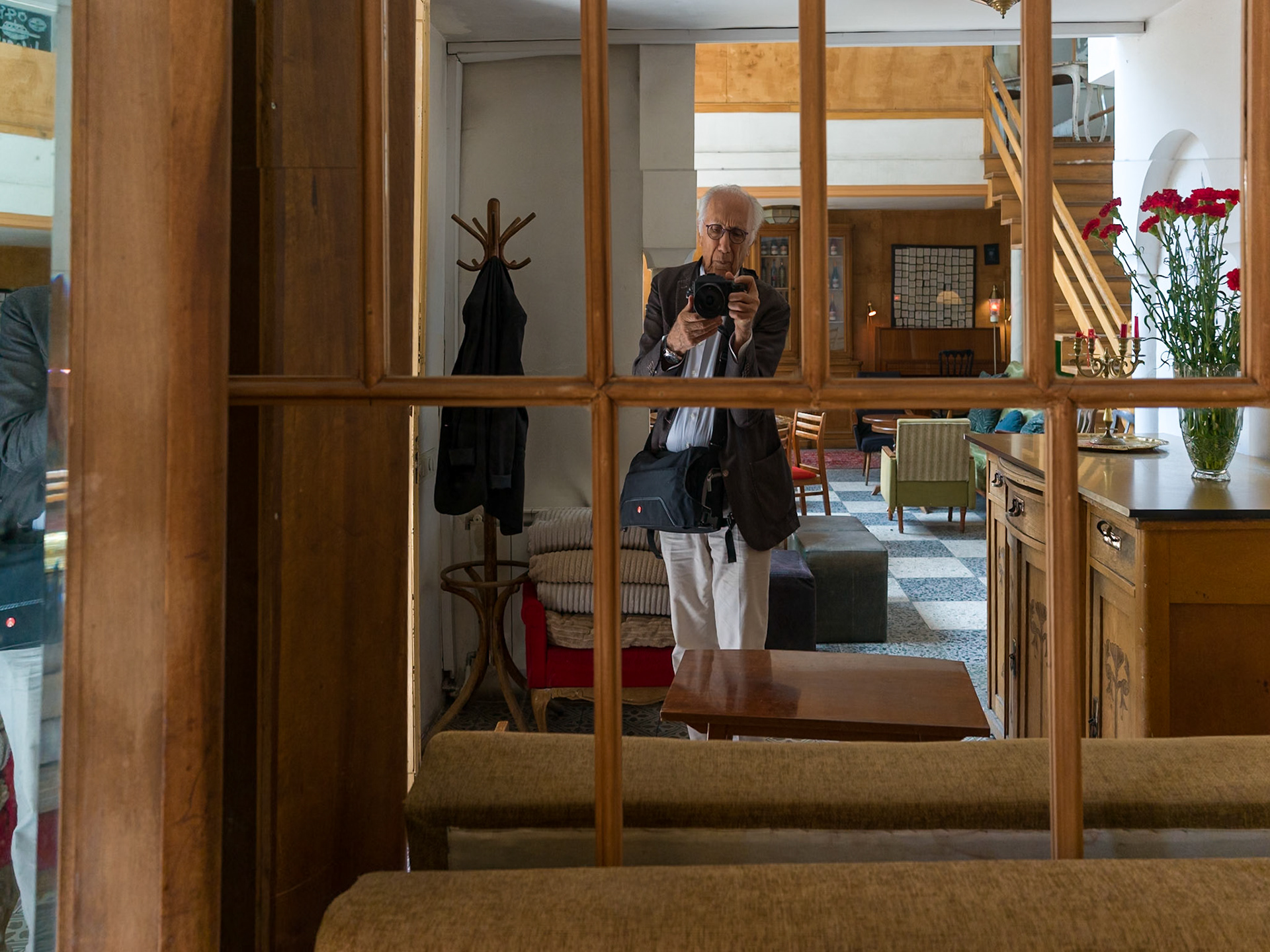
Hayk, runs Woolway Studios, Textile goods maufacturing company
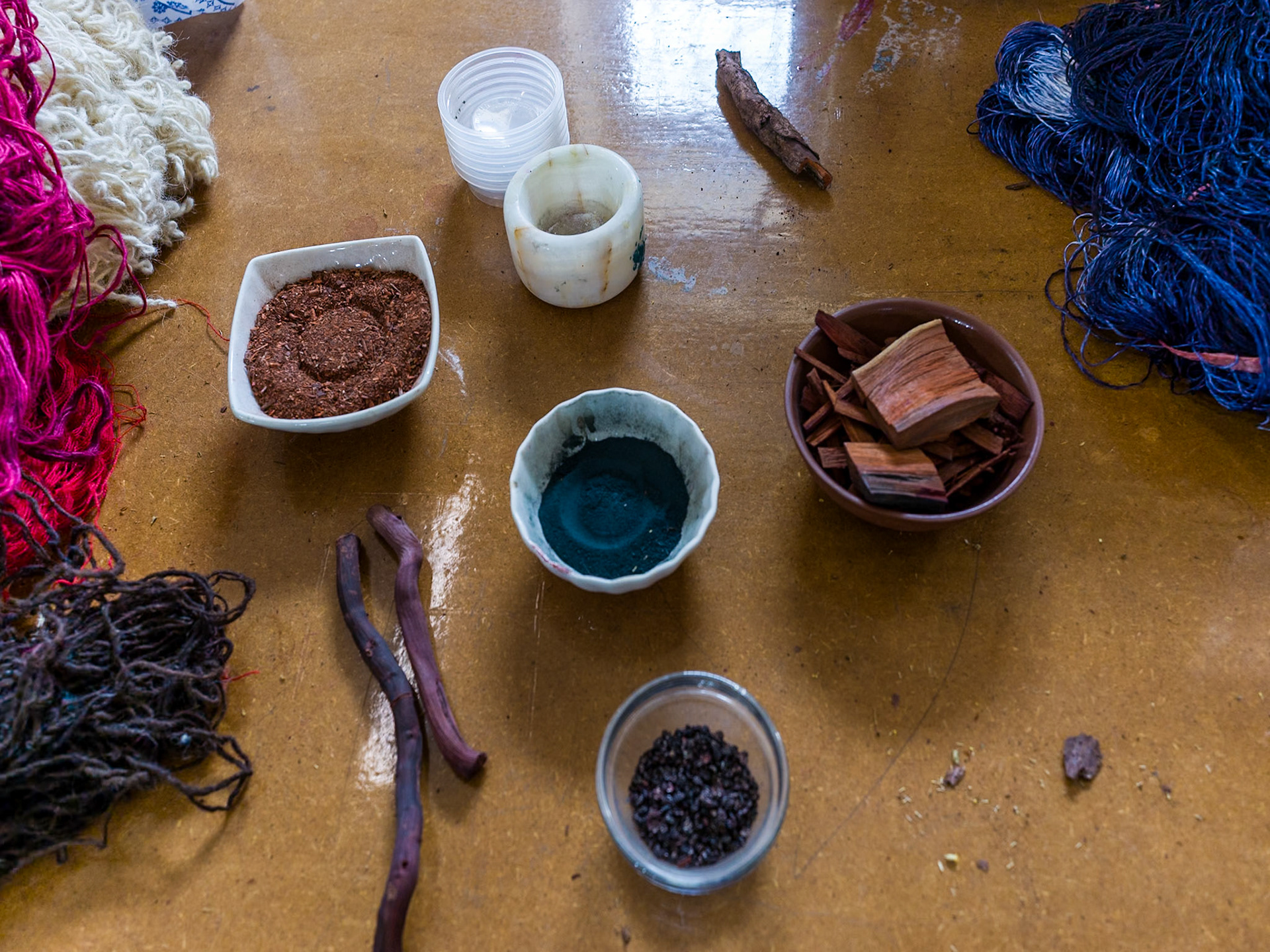
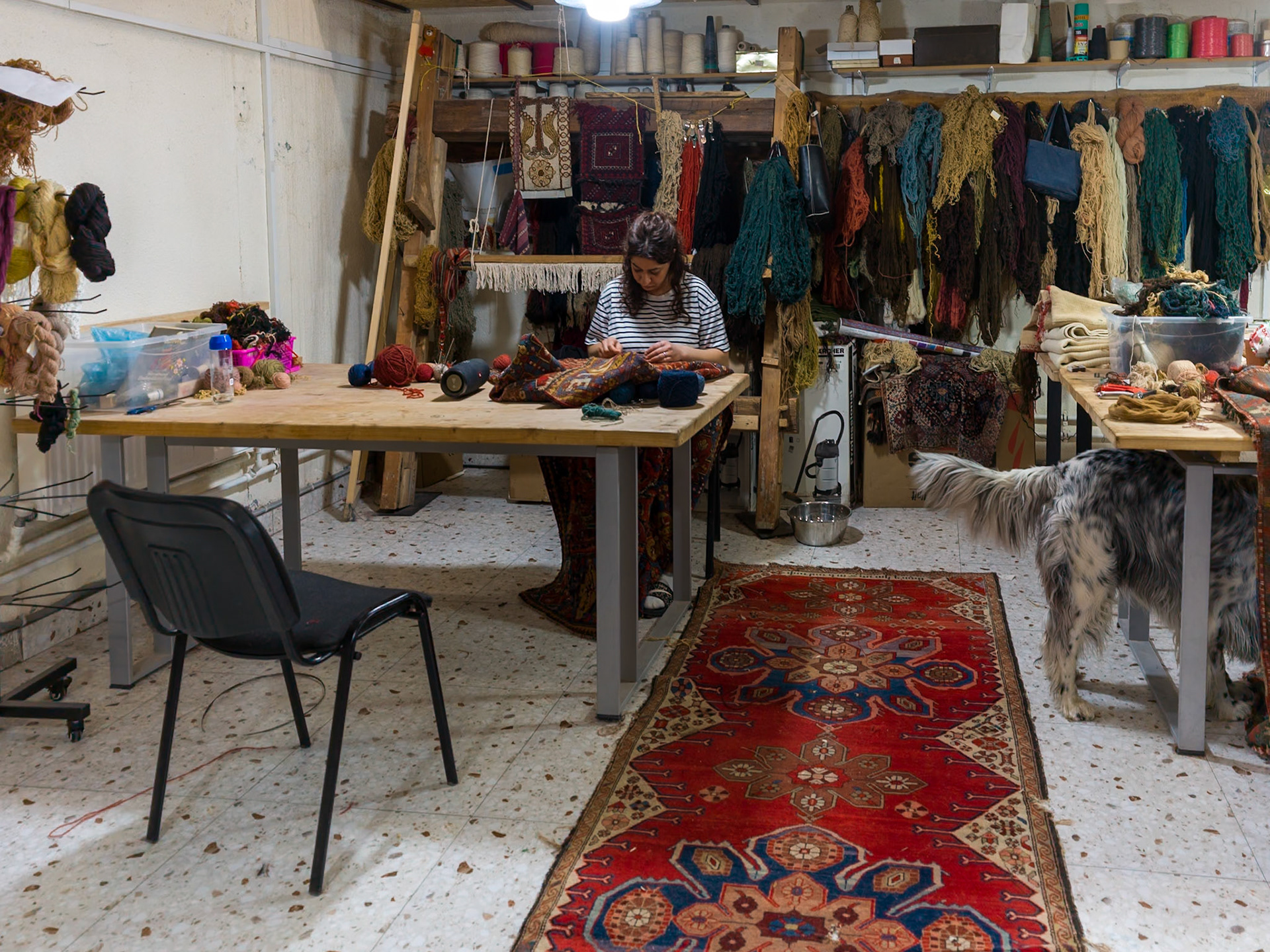
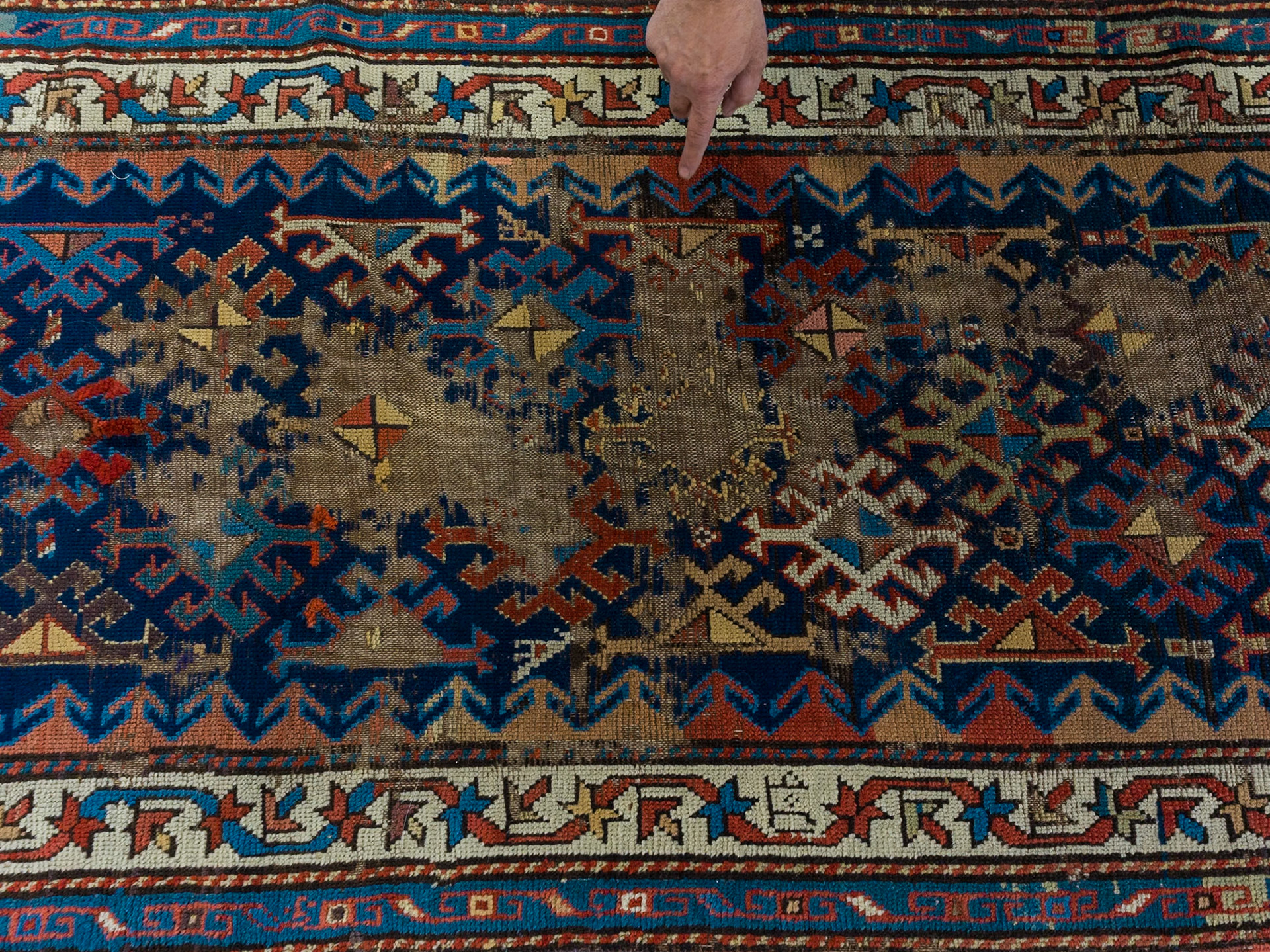
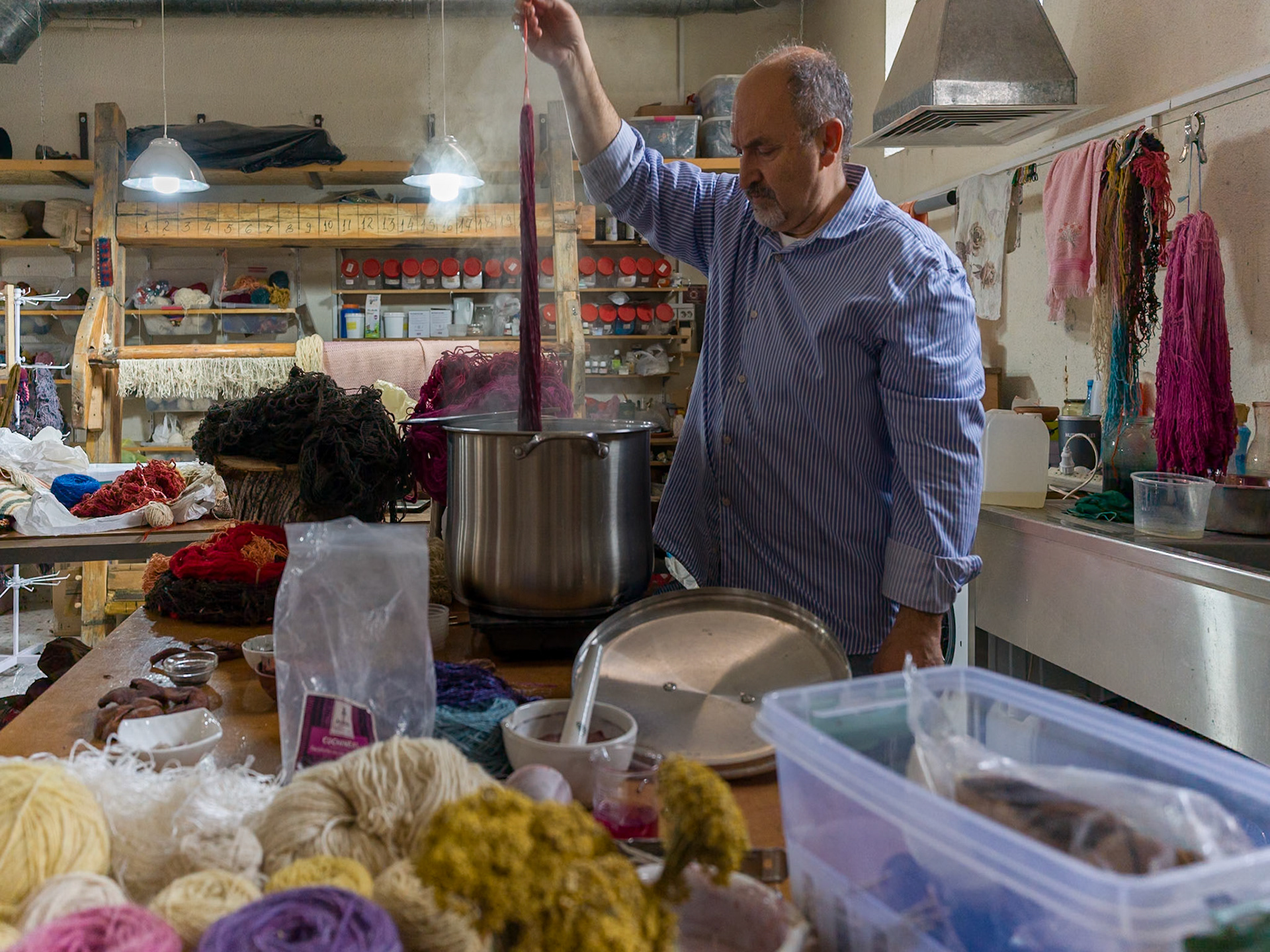
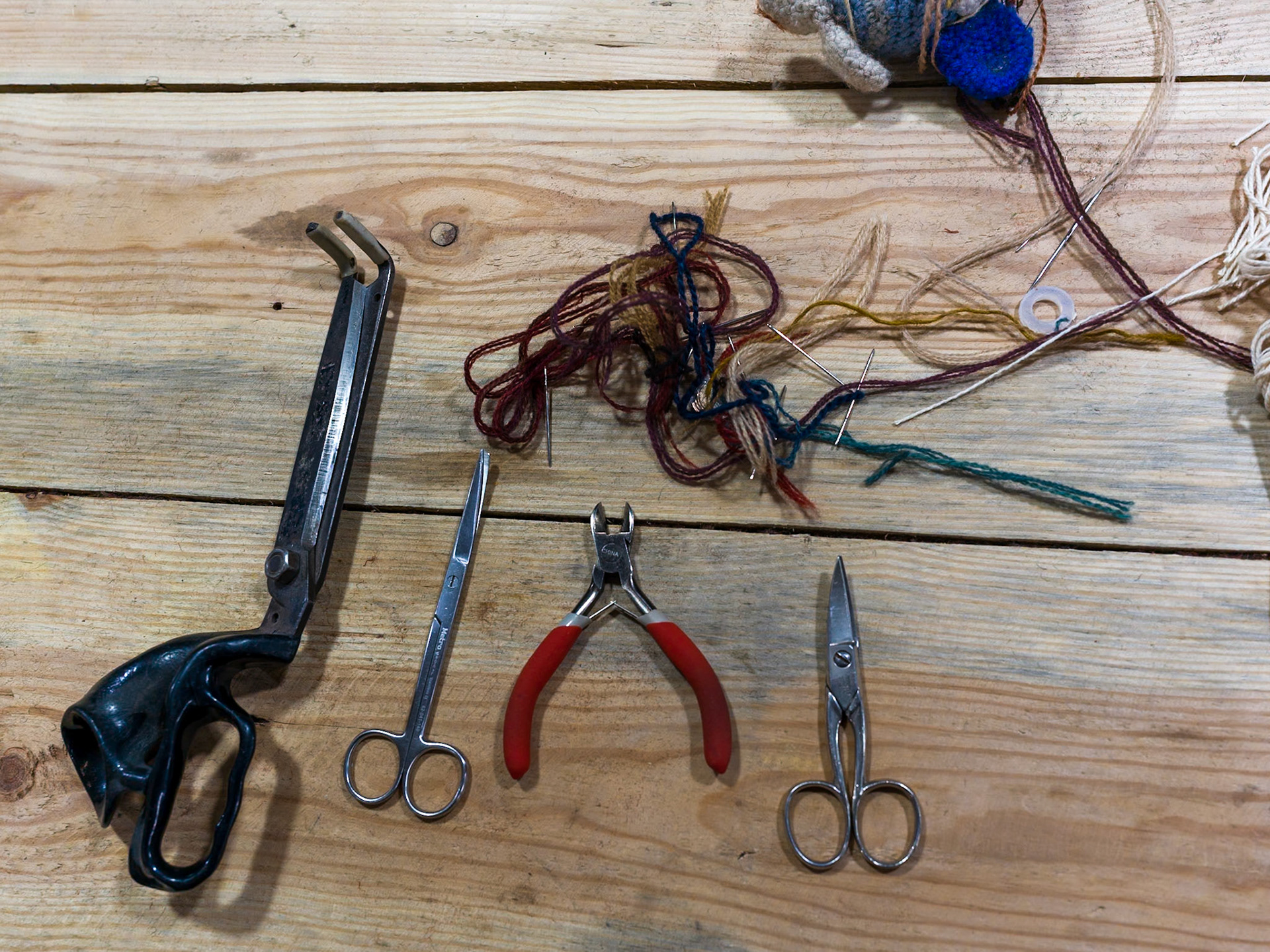
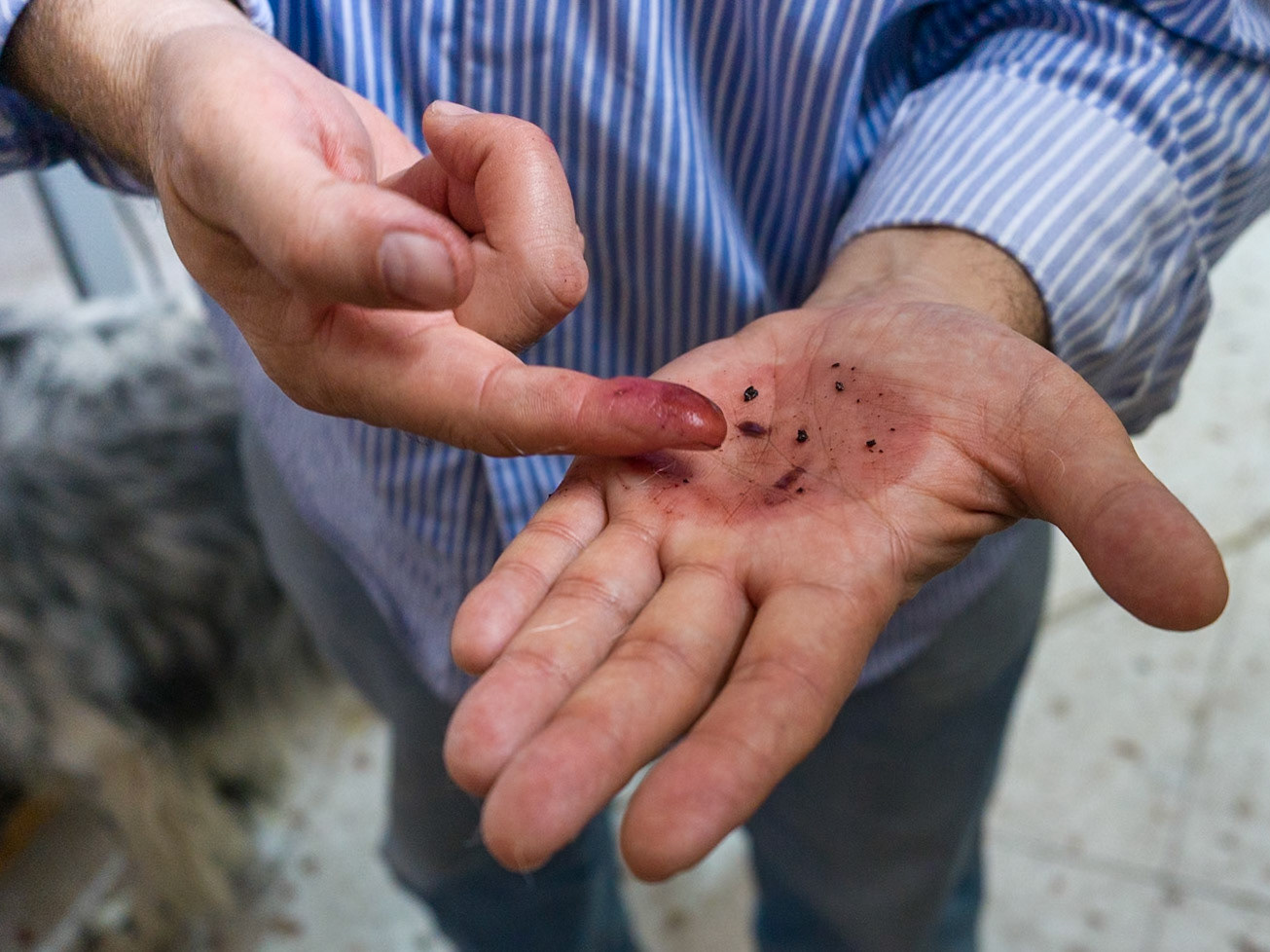
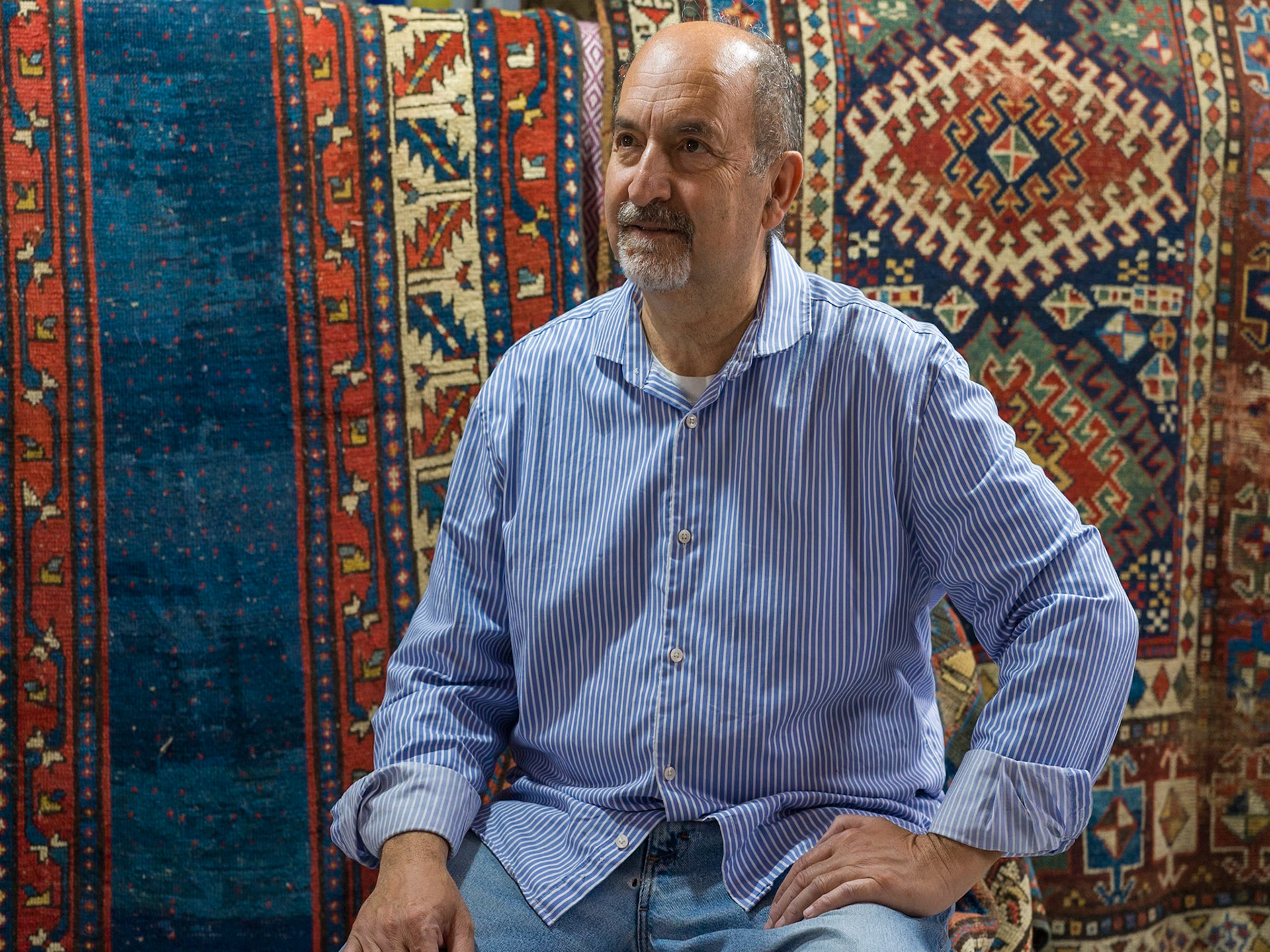
Hayk, runs Woolway studios
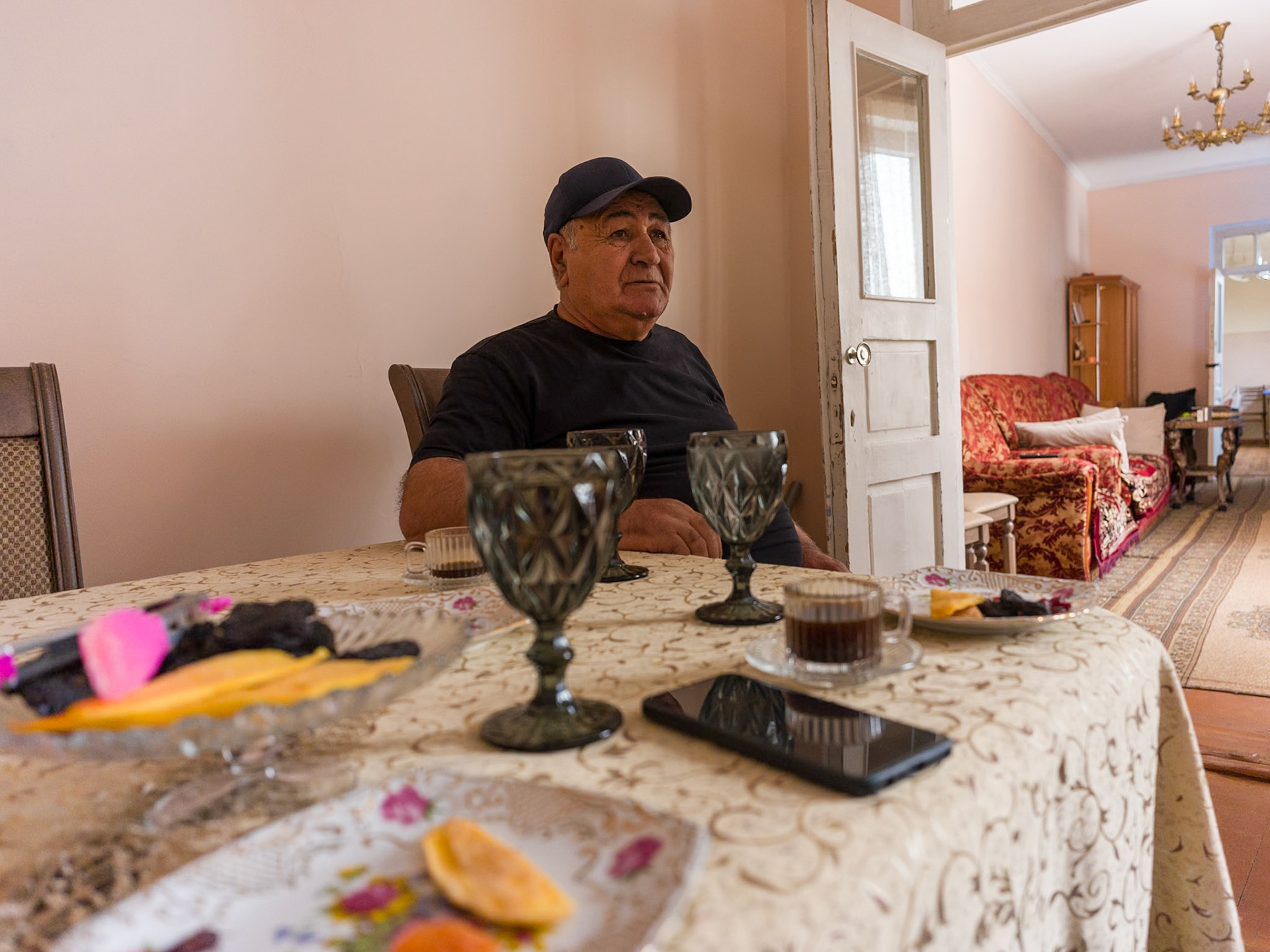
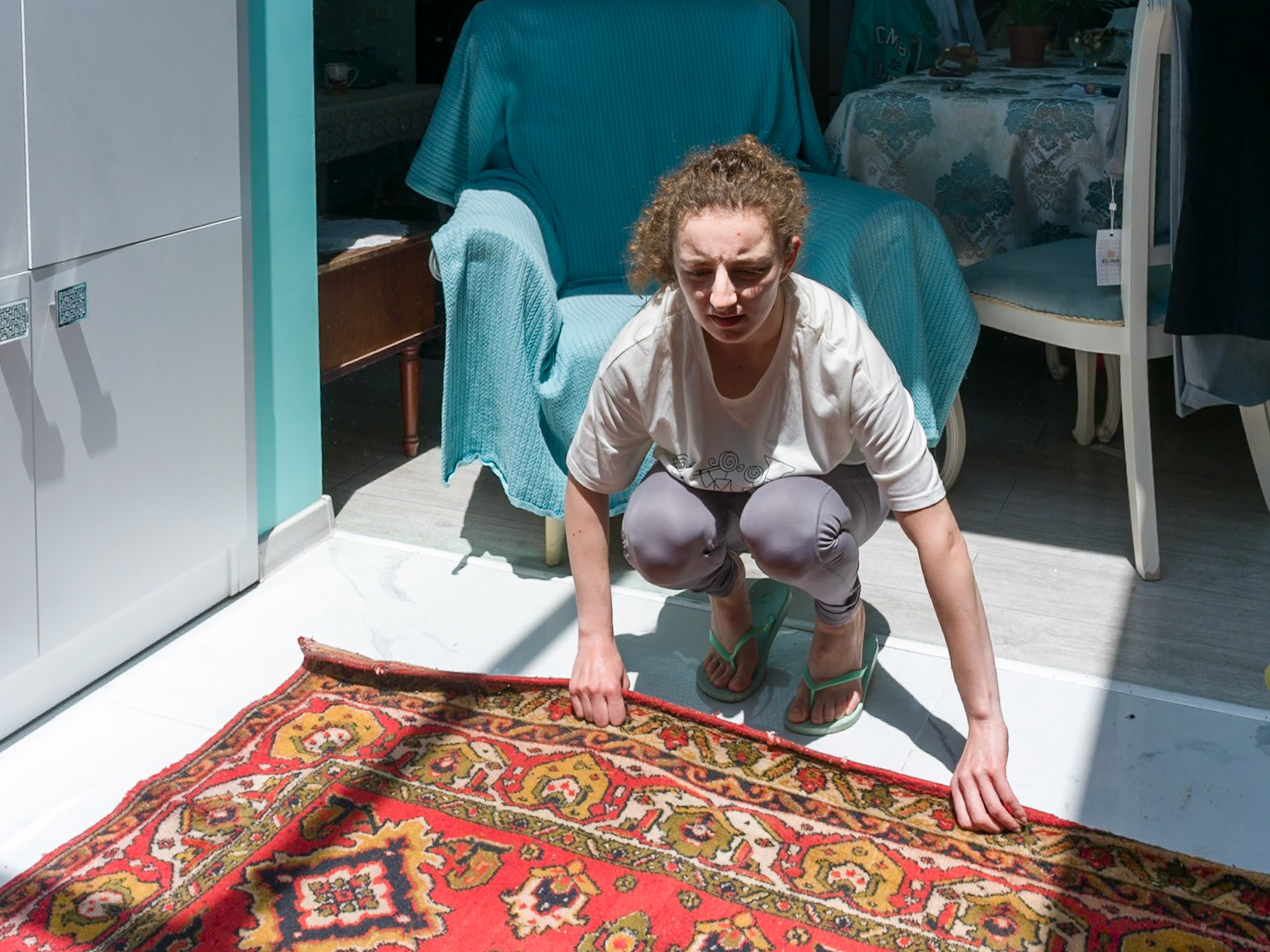
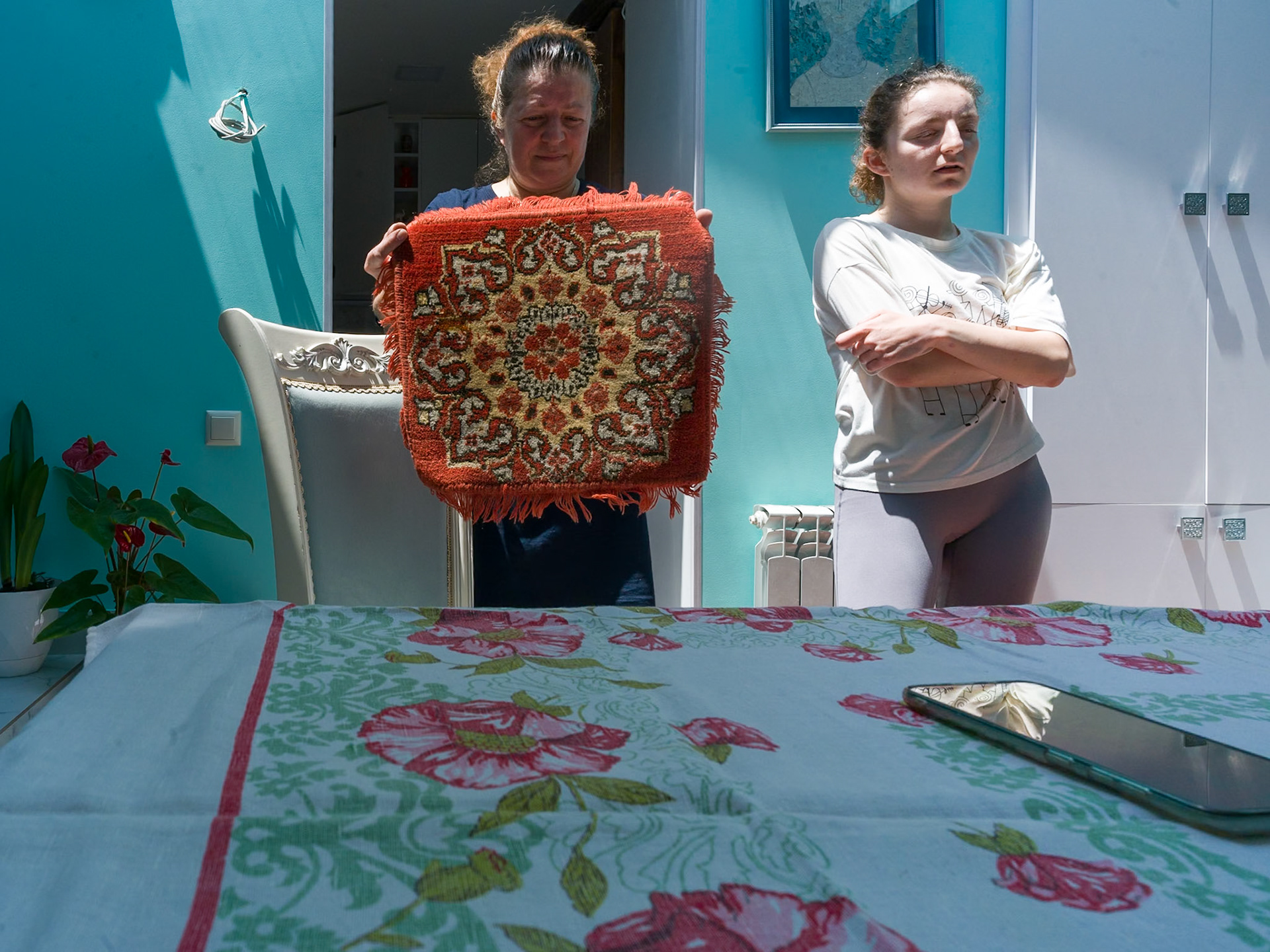
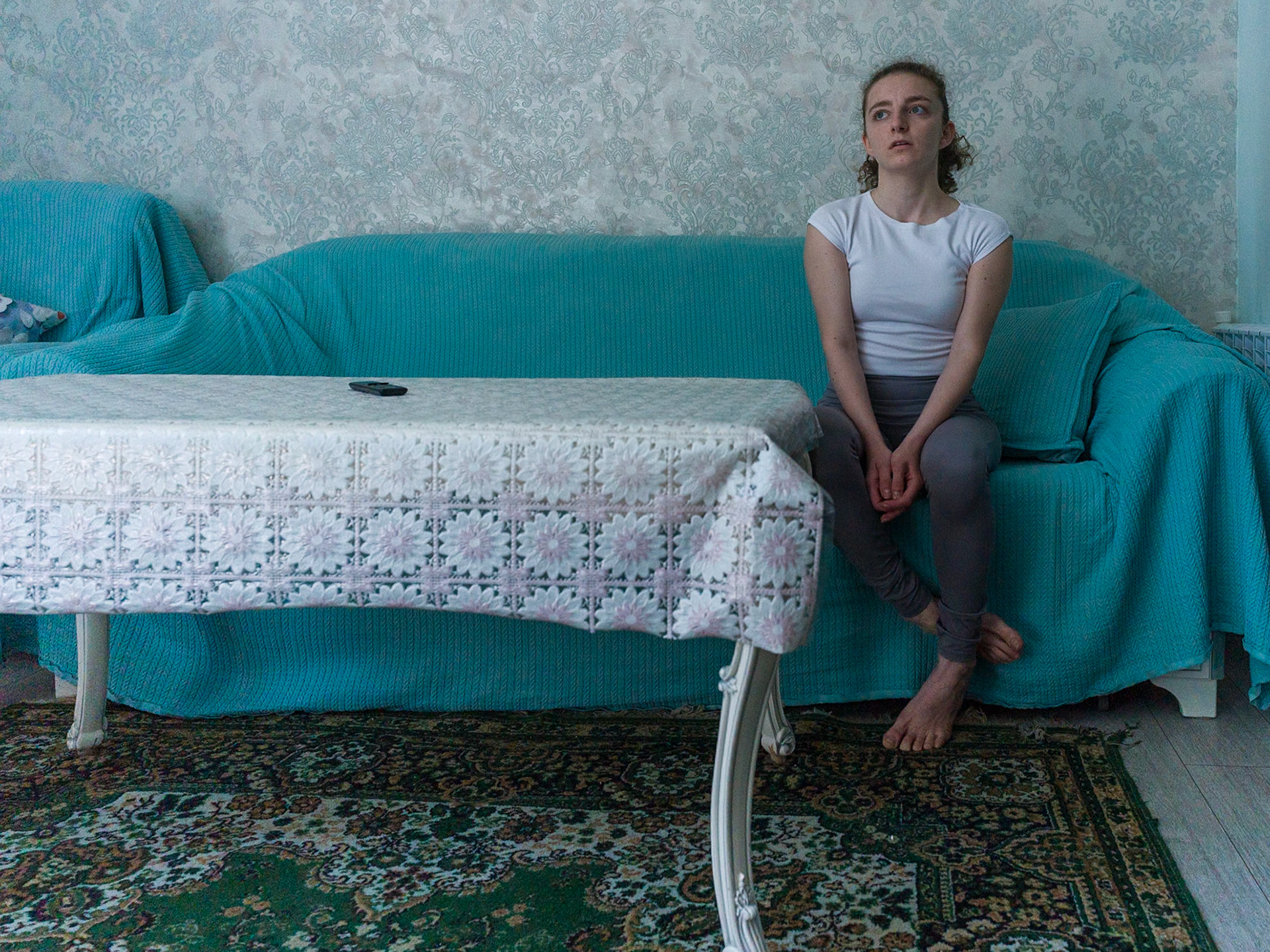
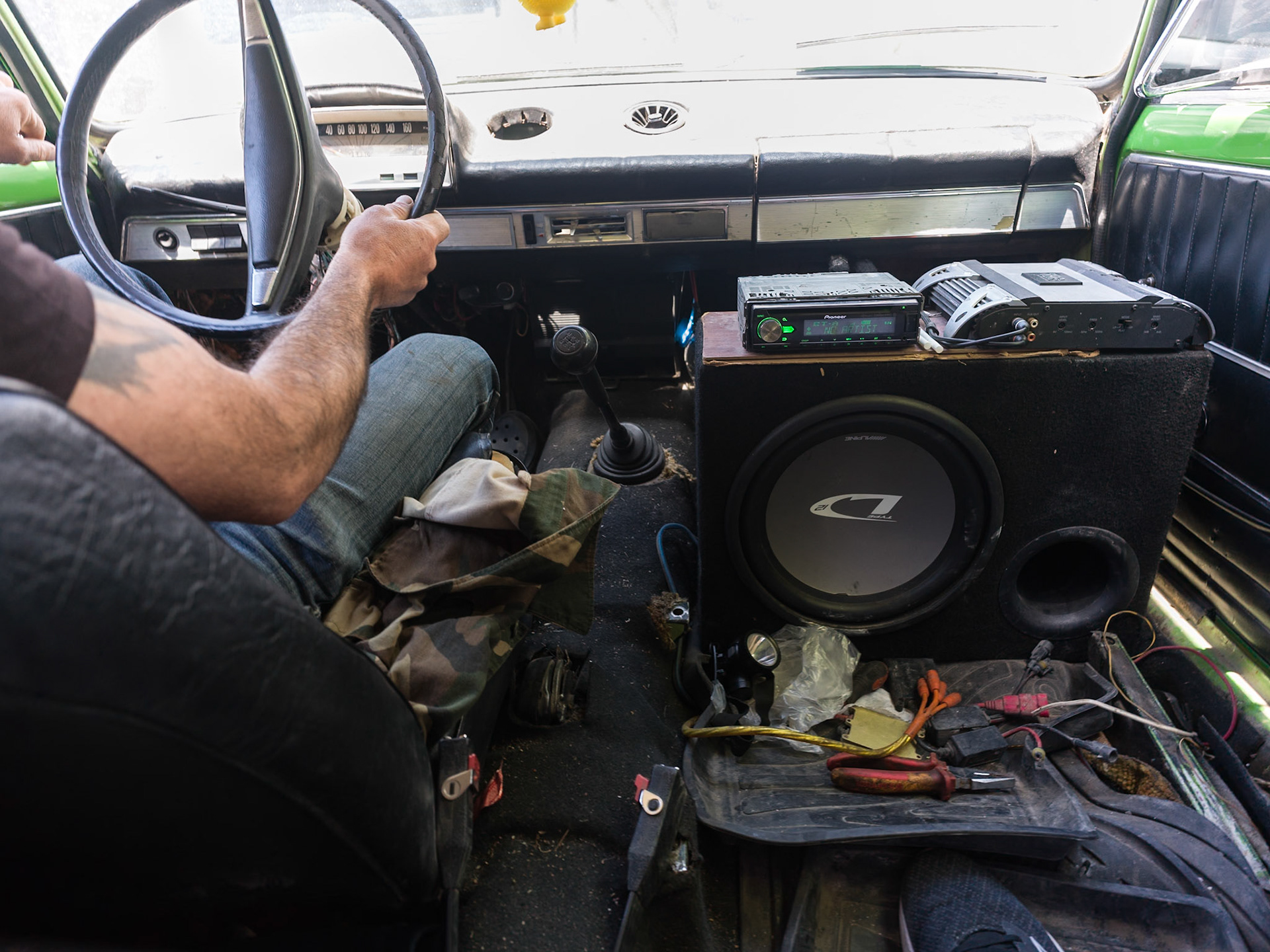
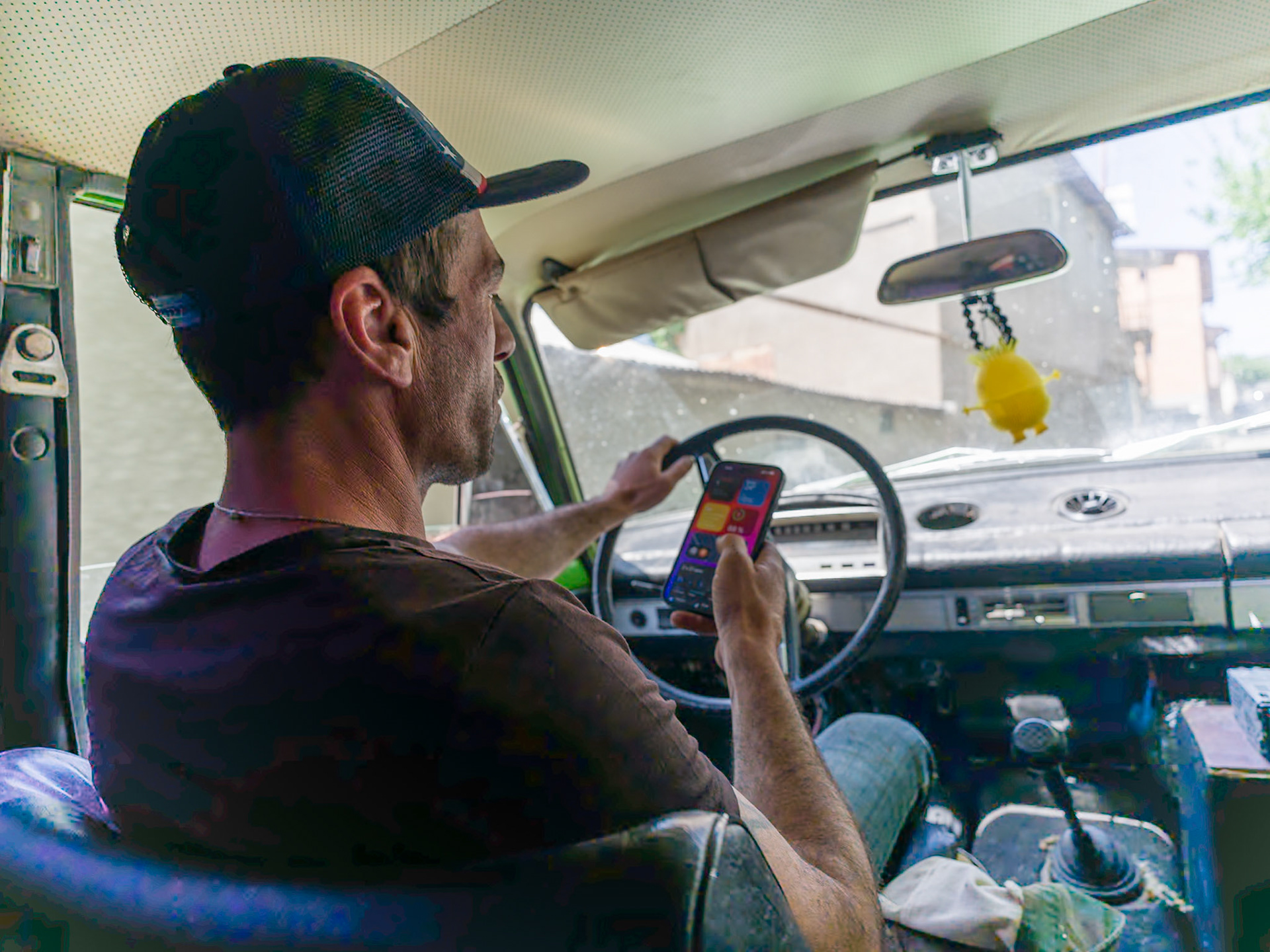
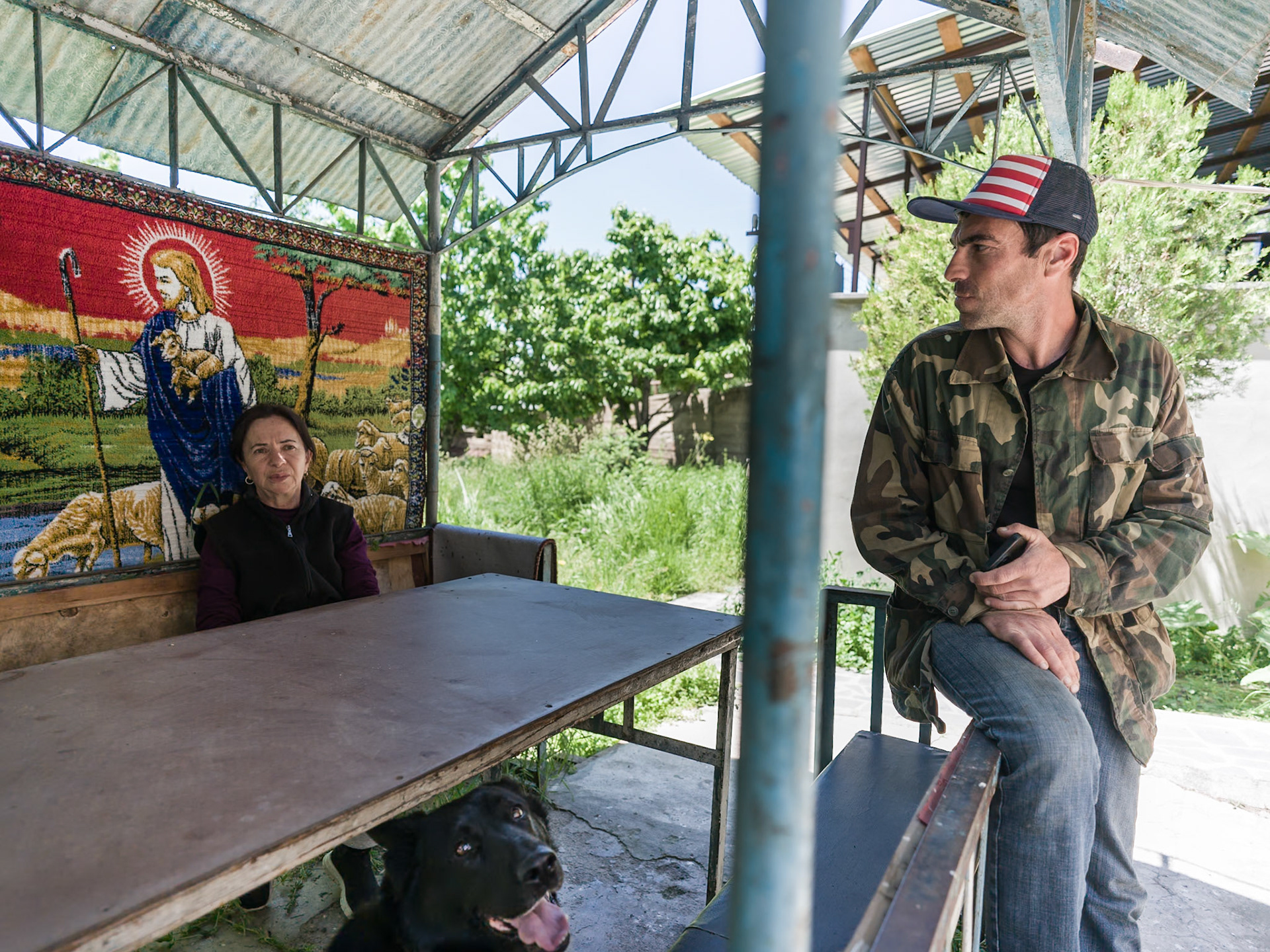
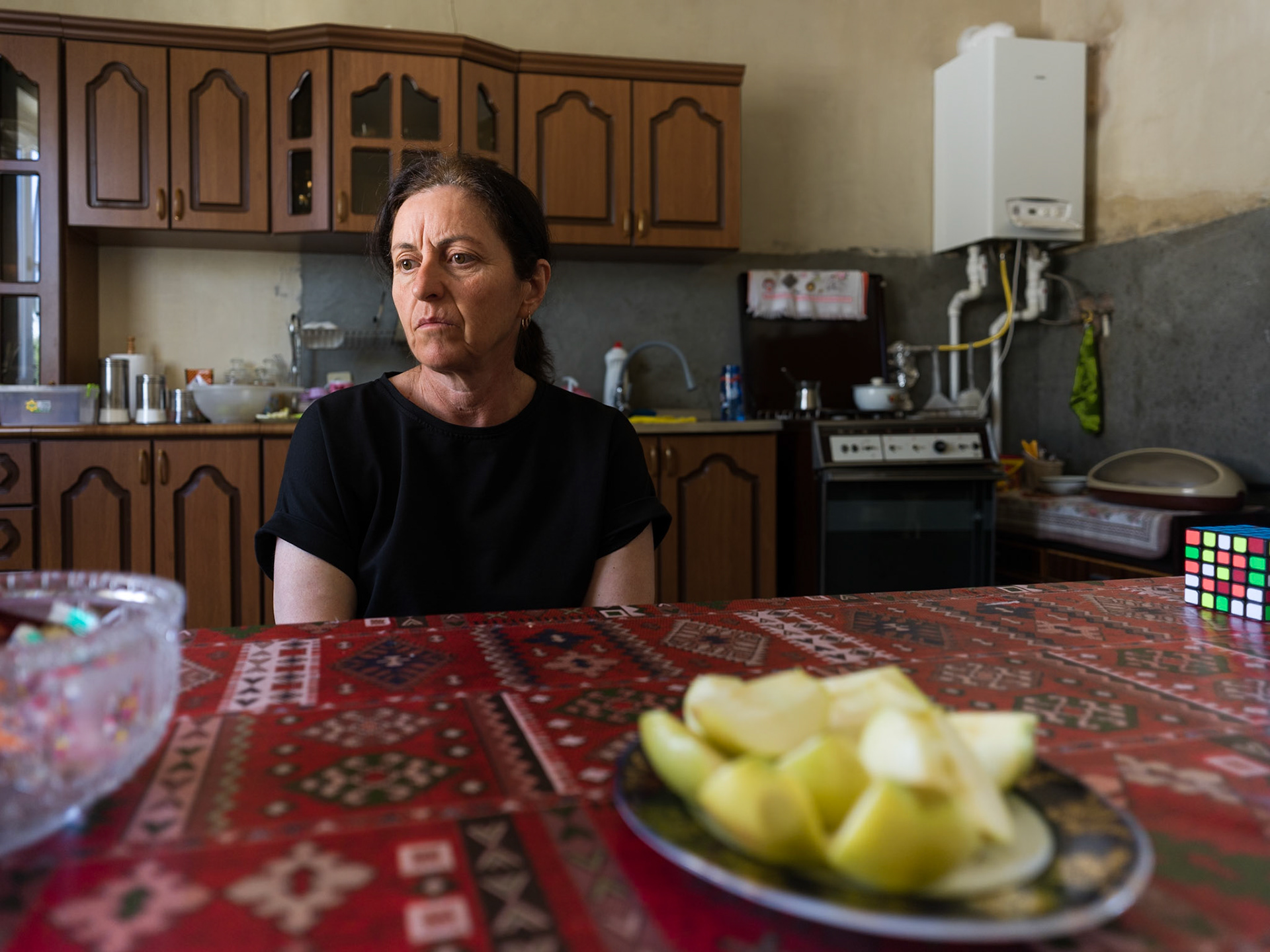
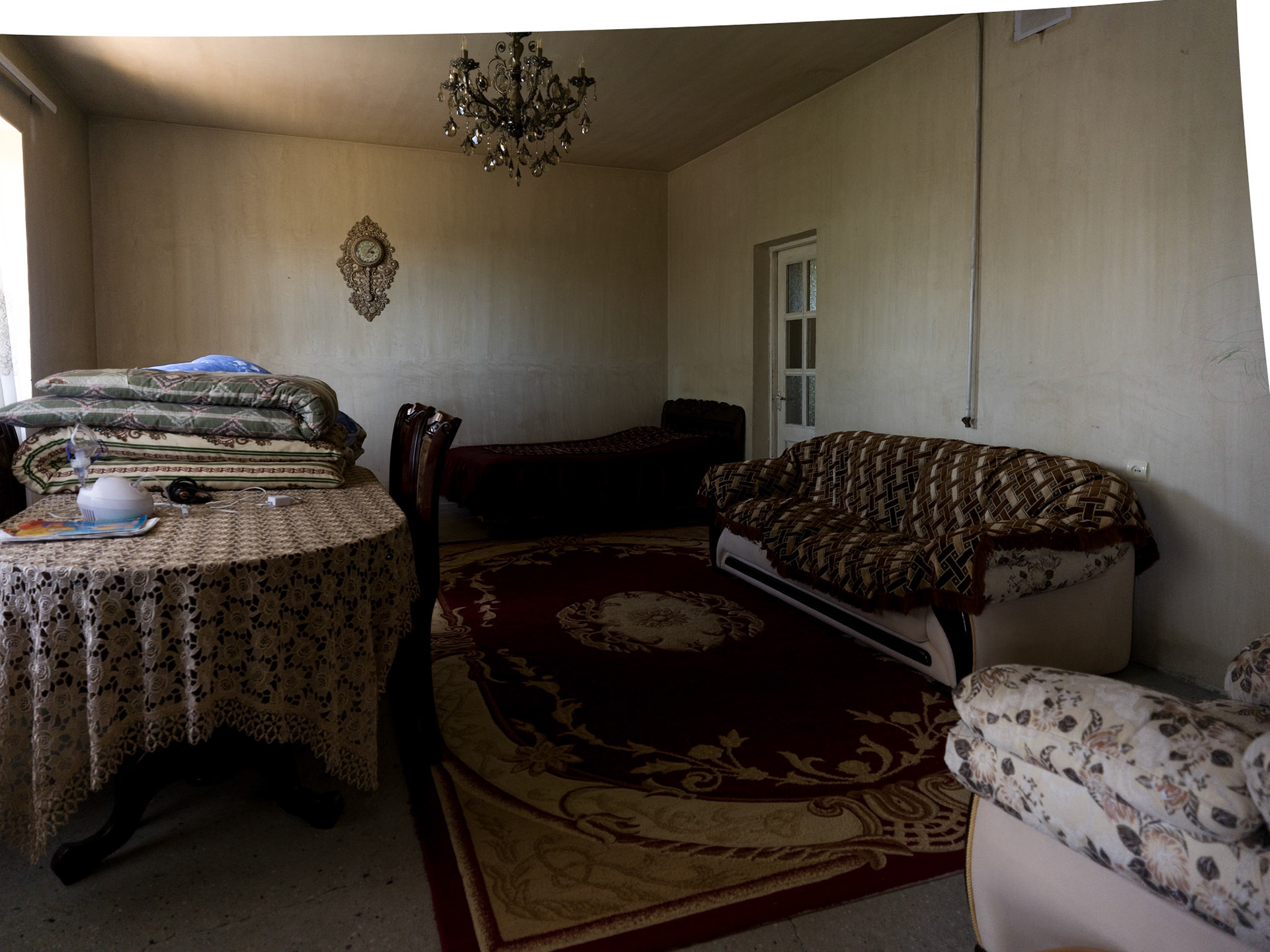
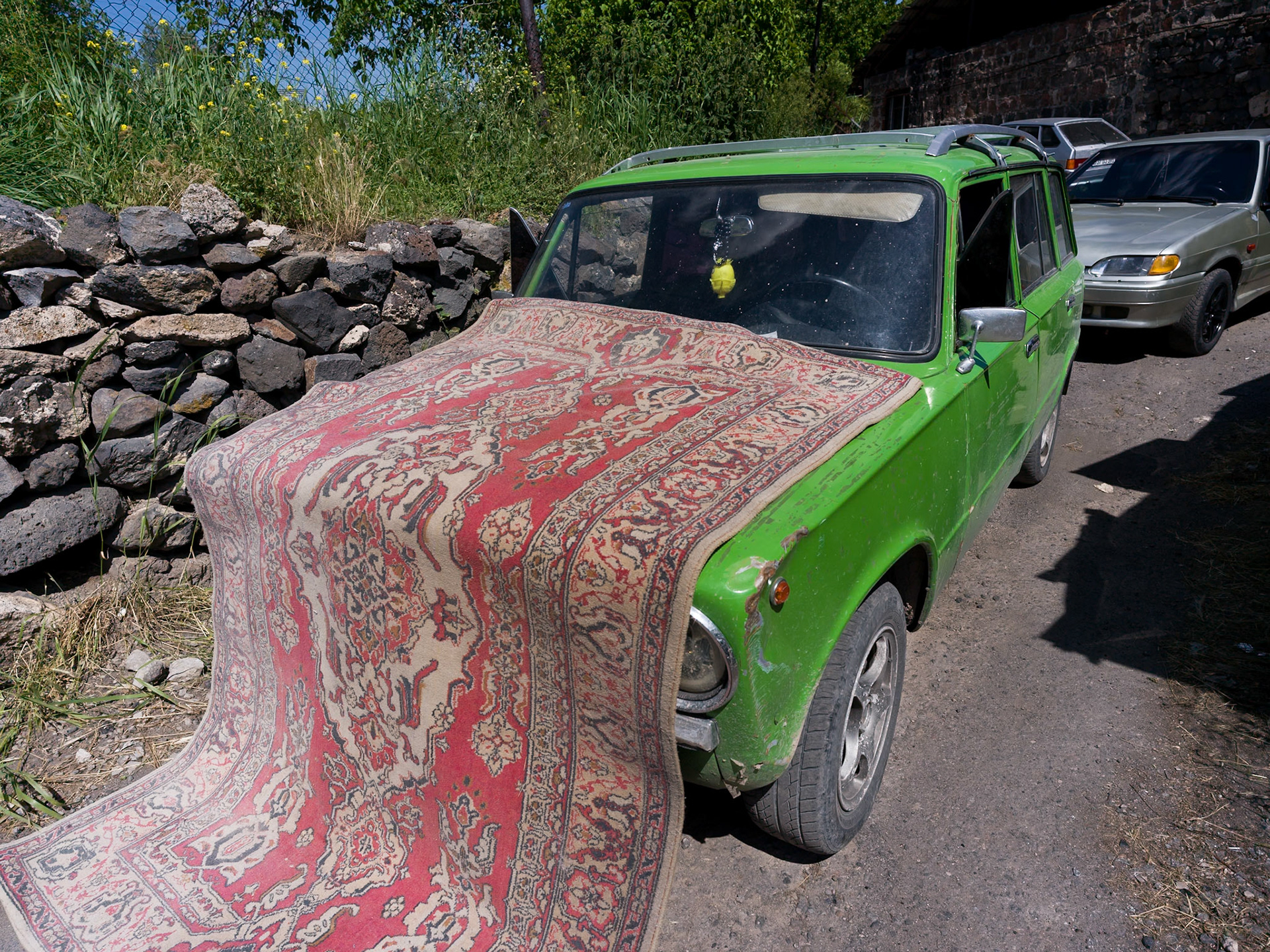
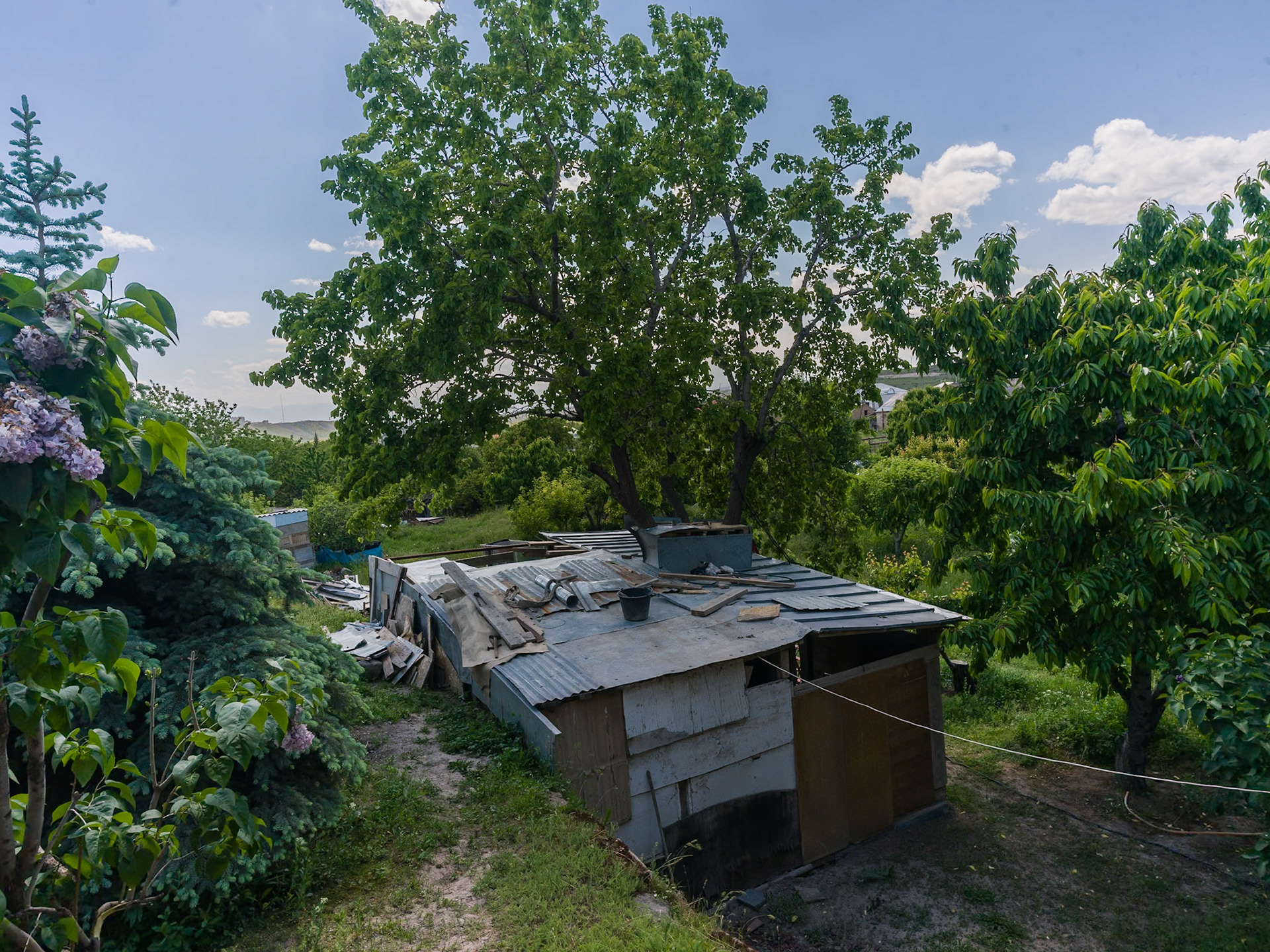
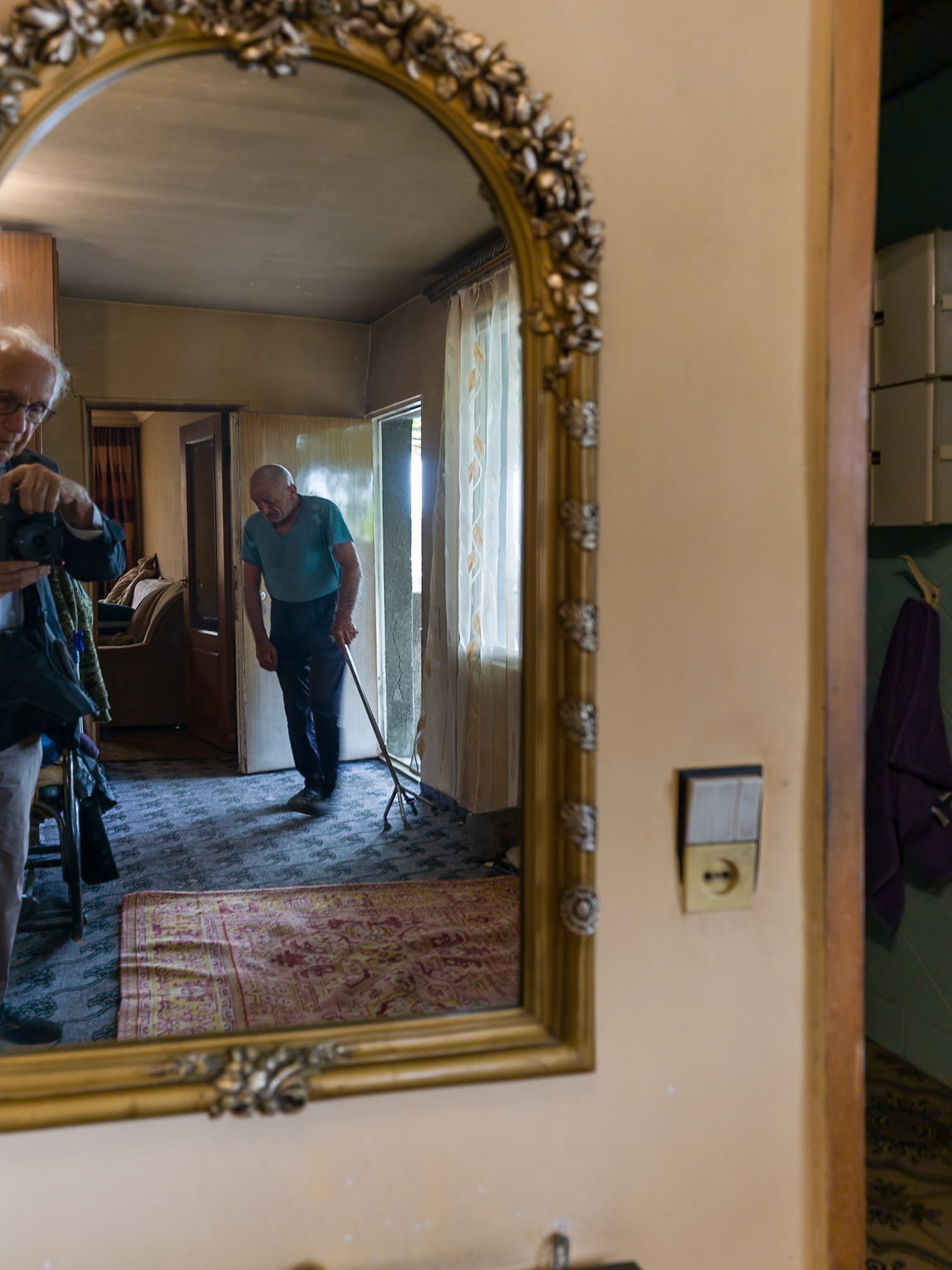
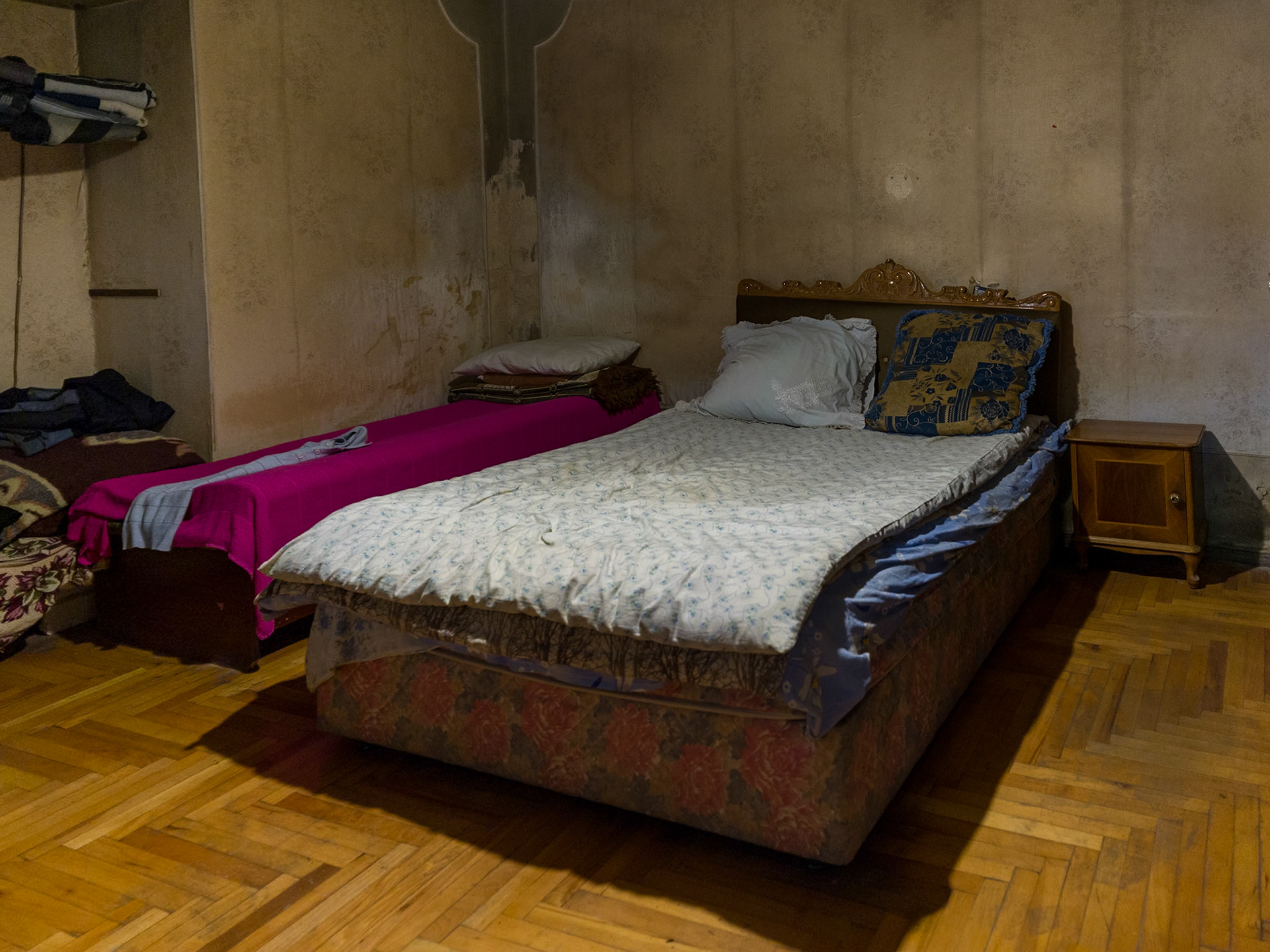

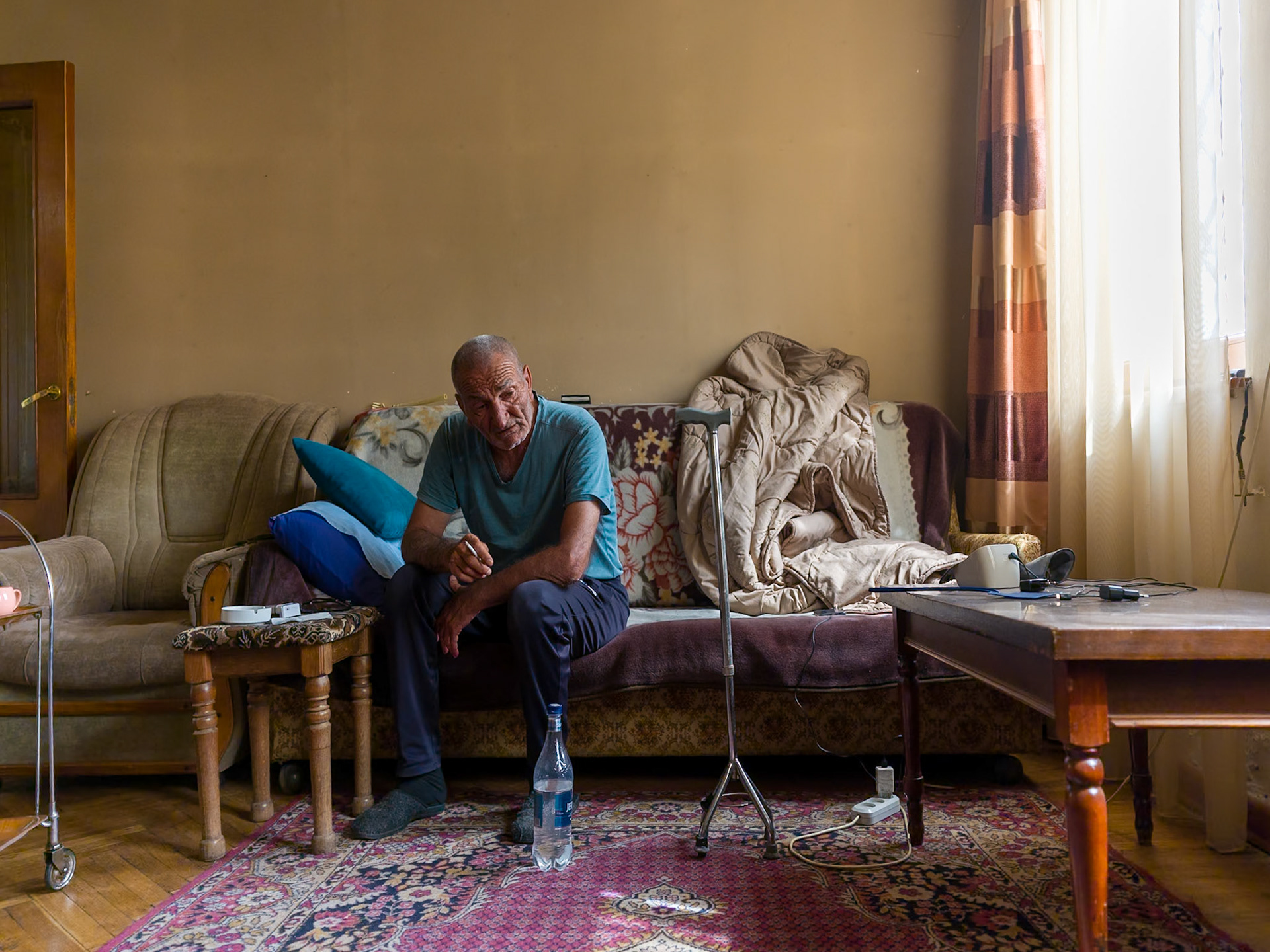
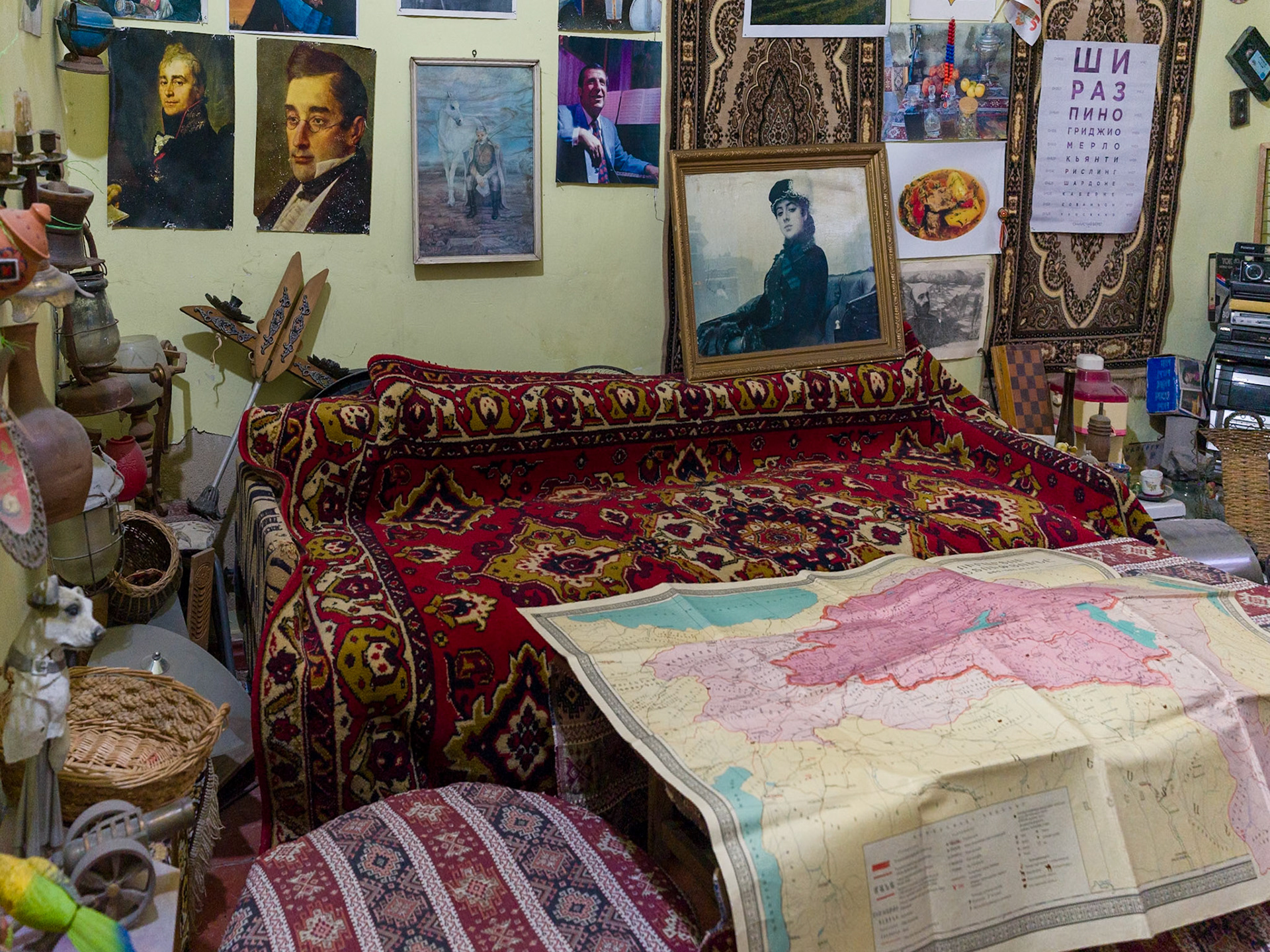
Garik, 72 years old, survived a stroke, learns how to live alone after his wife passed.